













The 9 best AI agents for customer support in 2026, honestly segmented: enterprise platforms, helpdesk AI, per-resolution agents, and seat-included AI, with real costs.
Key takeaways
- "AI agent" in 2026 covers four very different purchases: enterprise agentic platforms, AI built into the helpdesk you already pay for, per-resolution agents you add to any desk, and AI included in your inbox's seat price. Comparing across segments is how teams overspend.
- The pricing models matter more than the feature lists: per-resolution ($0.40 to $1.50 each), per-seat add-ons ($29 to $50 per agent), outcome-based enterprise contracts, and flat seat-included. At 1,000 AI-handled conversations a month the same job ranges from $90 to over $1,400.
- Gartner predicts over 40% of agentic AI projects will be canceled by end of 2027 on cost and unclear value. The safest 2026 buys are reversible ones: month-to-month, on infrastructure you already run.
- For most small and mid-sized teams the honest answer is not an autonomous platform at all: it is drafting, tagging, and triage included in the seat, with an agent layer added once the knowledge base has proven itself.
Table of contents
The best AI agent for customer support in 2026 depends on which of four things you are actually buying: an enterprise agentic platform (Sierra, Decagon), AI native to a helpdesk you already pay for (Zendesk, Freshdesk, Gorgias, Tidio), a per-resolution agent that bolts onto any desk (Fin, eesel), or AI included in your inbox's seat price (Drag). Most listicles rank these against each other as if one buyer compares them all; no one does. This guide ranks each segment honestly, computes the real costs, and tells you which segment you are in.
The four segments
Four segments, each with a different buyer. Enterprise agentic platforms (thousands of conversations a day, engineering resources, six-figure contracts, voice and orchestration); helpdesk-native AI (you already pay Zendesk or Freshdesk; the question is whether their AI add-ons earn their price); per-resolution agents (AI-native products that sit on your existing desk and charge per ticket resolved); and seat-included AI (the assists, drafting, tagging, sentiment, summaries, priced into the inbox seat). The most common buying mistake of 2026 is shopping segment three or four problems with segment one budgets, and the second most common is not knowing segment four exists.
What the same job costs
Scenario: a team of 5 handling ~1,000 AI-assisted or AI-resolved conversations a month.
| Tool | Model | The month's bill | Notes |
|---|---|---|---|
| Fin | $0.99 per resolution | ~$990 | assumes all 1,000 resolve; partial resolution still bills on some setups |
| Zendesk AI | Per verified resolution above commit | ~$1,500 to $2,000 | at $1.50 to $2.00 each, plus Copilot at $50 per agent if you want the assist layer, plus the Suite seats you already pay |
| eesel AI | ~$0.40 per task | ~$400 | on top of your existing desk's seats |
| Gorgias AI | ~$0.90 per resolved | ~$900 | plus ticket-tier subscription |
| Freshdesk Copilot | $29 per agent + ~$0.49 per res | ~$635 | for 5 agents |
| Tidio Lyro | Plan + AI tiers with conversation caps | Low hundreds, capped | SMB chat focus |
| Sierra / Decagon | Outcome-based / custom volume contracts | Not SMB maths | enterprise procurement |
| Drag | AI included in seats from $18 | $90 flat | drafting, tagging, summaries, answers from your docs |
These are different products doing different depths of work, which is the point: know which depth you are buying before comparing bills. The same caution applies to the resolution percentages vendors advertise; the resolution-rates audit traces every claim to its source and definition. Sources: vendor pricing pages, July 2026; run your seat maths in the cost calculator.
SEGMENT: Enterprise agentic AI
 1. Sierra
The AI-native flagship for enterprises that want conversations handled end to end, priced on outcomes. Strengths: autonomous resolution across digital channels, strong conversational quality, marquee logos. Cautions: Forrester's Q2 2026 Wave flags below-par legacy-system connection and live-agent escalation, plus reporting and admin tooling still maturing; outcome-based pricing is attractive in theory and genuinely hard to budget, since "outcome" definitions move. Fit: large teams with clean systems and procurement patience.
 2. Decagon
Structured autonomy for high-volume operations with engineering resources to spend. Strengths: Agent Operating Procedures give the AI auditable instructions for refunds, verification, escalation; scales to hundreds of concurrent conversations. Cautions: setup assumes engineers; smaller teams find the investment steep and weeks-long; custom volume pricing via quote. Fit: thousands of tickets a month and a team to own the AOPs.
If your board asked for "an AI strategy" and your volume is four figures a month, this segment is not your answer; it is how the 40% of canceled projects start.
Drag · with Varley
The inbox your team and Varley work in together
Shared inbox and live chat for Gmail teams, with Varley, Drag’s AI, included from $18. Plus an MCP server your own AI tools can drive.
SEGMENT: Helpdesk-native AI
 3. Zendesk AI
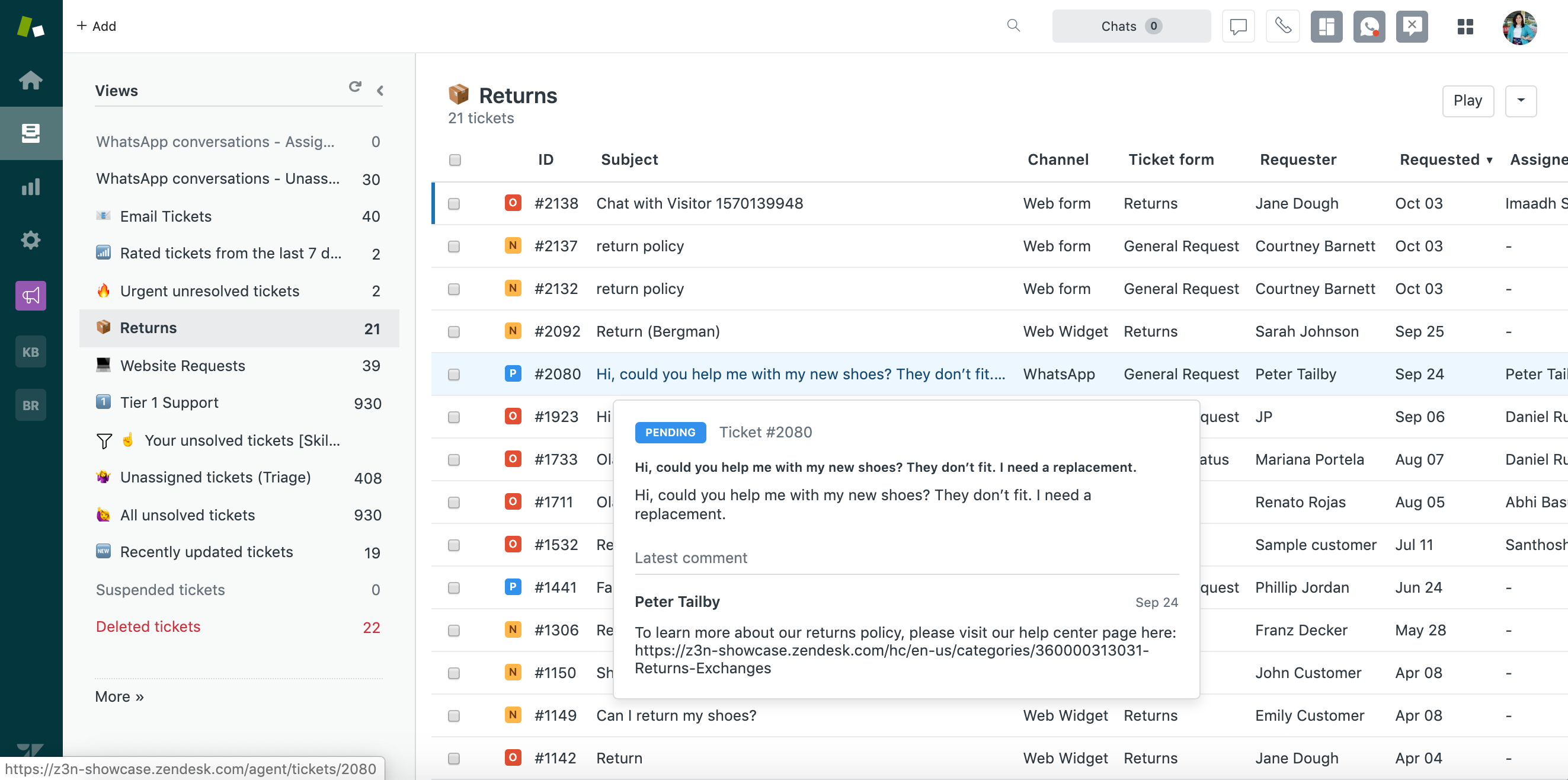
The deepest AI layer if you already live in Zendesk, at a bill that now dominates its reviews. What changed in 2026: Forethought acquired in March and folding into triage and assist; a three-tier verified-resolution model since May that only bills confirmed resolutions, fairer than the old silence-equals-billable approach. The costs: $1.50 to $2.00 per resolution above commit, Copilot at $50 per agent per month, on Suite seats from $19 to $115; total AI spend reaching 2 to 3 times the base subscription is the recurring complaint. Fit: existing Zendesk shops with the volume to negotiate commits.
 4. Freshdesk (Freddy Copilot)
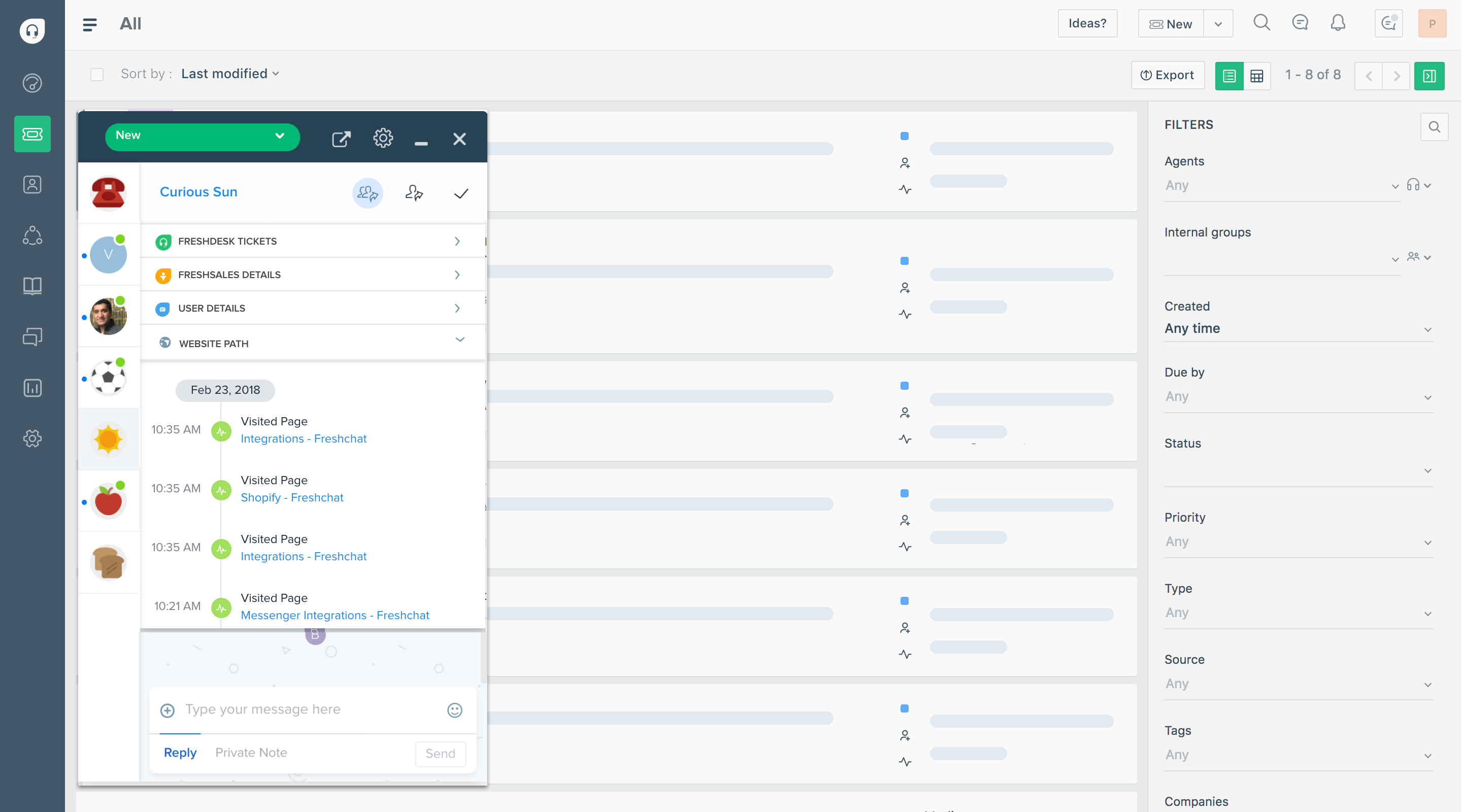
The value pick among big-desk AI layers. Copilot at $29 per agent, autonomous resolutions around $0.49 each, on a desk with a genuine free tier. Cautions: the AI is assist-first; full autonomy is younger than Zendesk's or Fin's. Fit: cost-conscious teams already on, or moving to, a traditional desk.
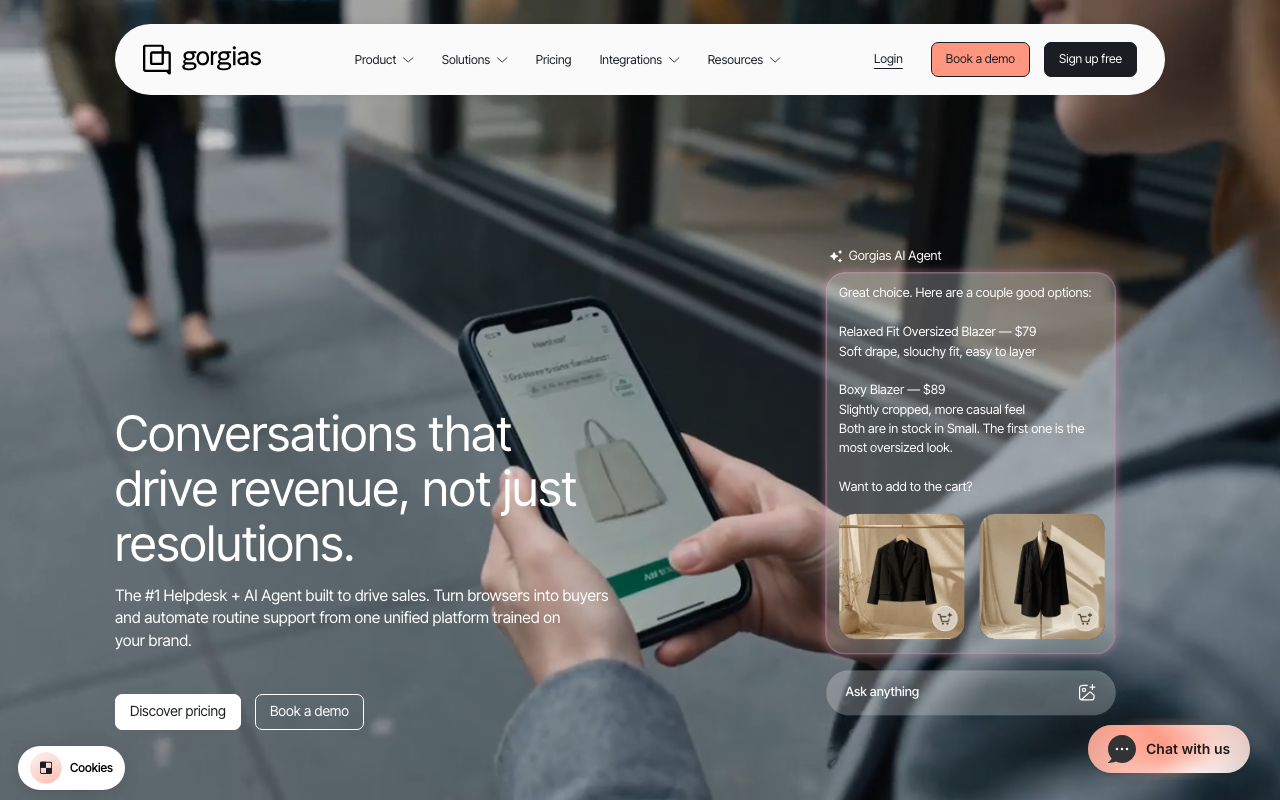
 5. Gorgias AI
The ecommerce specialist, automating up to 60% of repetitive store queries in your brand voice with storefront data. ~$0.90 per resolved on top of ticket tiers; unlimited seats is the quiet advantage. Fit: Shopify-first stores; if that is you, our Gorgias breakdown goes deeper.
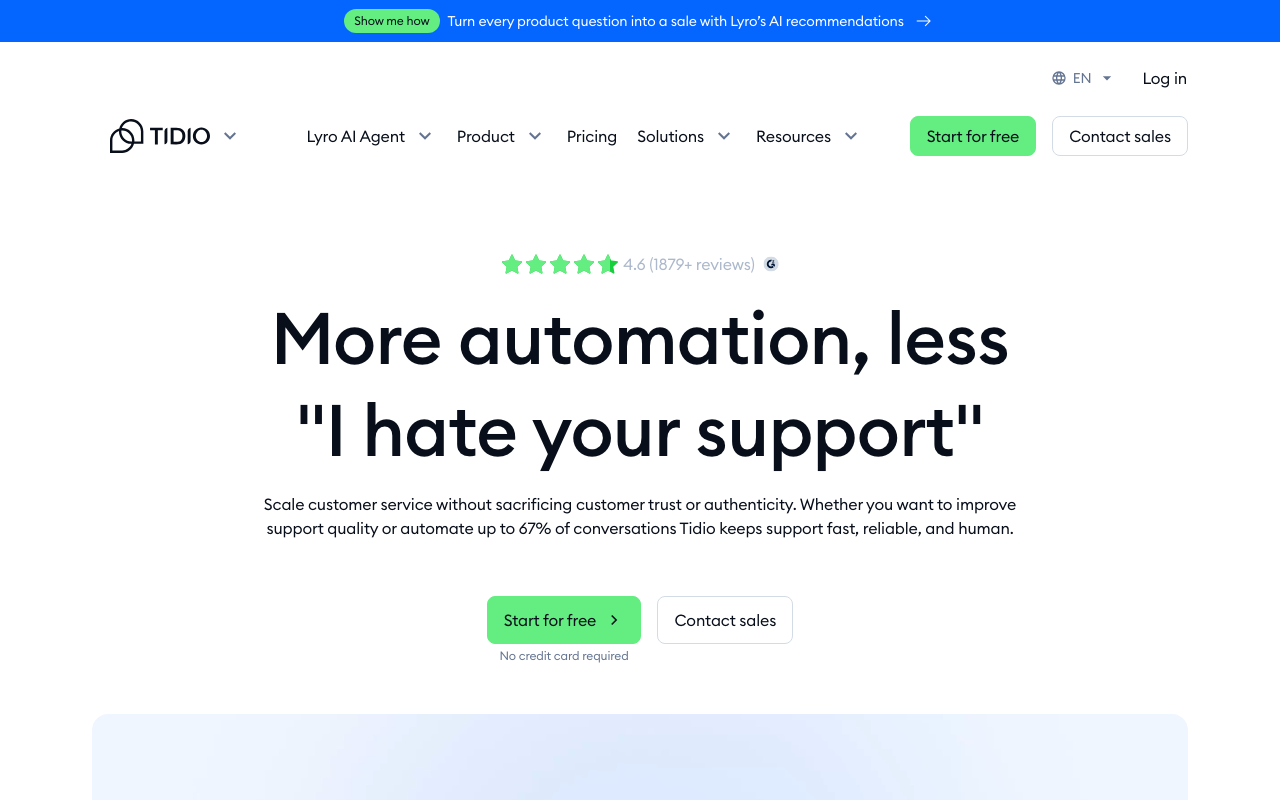
 6. Tidio (Lyro)
The SMB on-ramp: no-code, fast setup, trained on your FAQs. Cautions: conversation-capped tiers and a hard ceiling on multi-step complexity; fine for FAQ deflection, not an operations layer. Fit: small teams whose support is mostly chat and whose questions are mostly answerable from a help page.
SEGMENT: Per-resolution agents for the desk you have
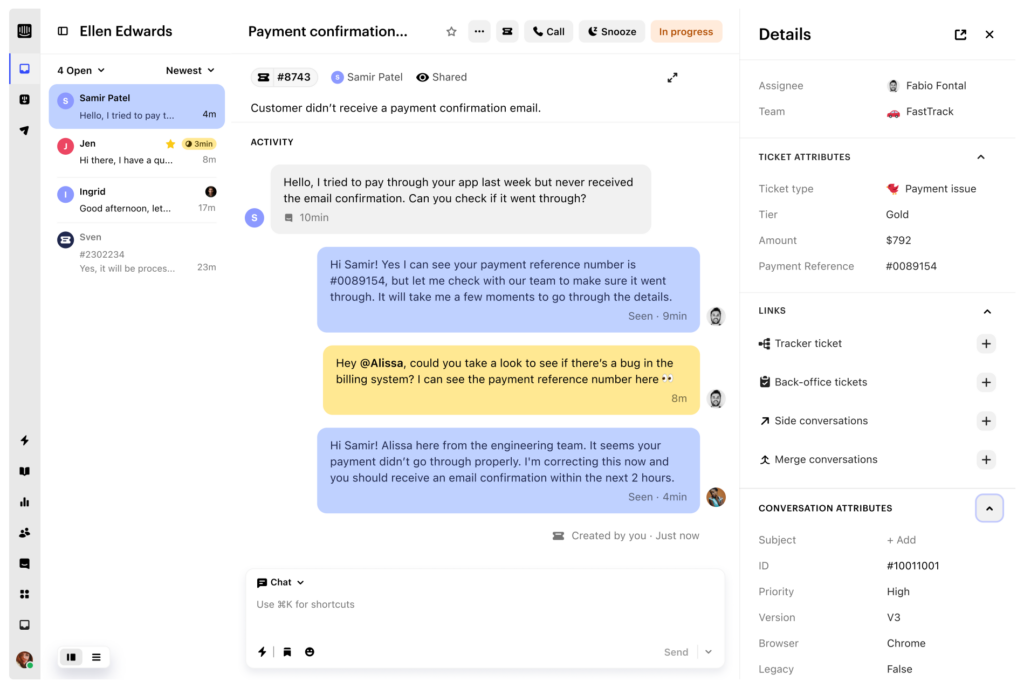
 7. Fin (formerly Intercom)
The category's reference product: $0.99 per resolution, works on Intercom or bolted onto other desks, resolves across chat, email, voice, SMS. Salesforce signed to acquire Fin for approximately $3.6B in June 2026 (closing expected in Salesforce's fiscal Q4 2027). Strengths: maturity, action-taking through data connectors, the largest proof base. Cautions: per-resolution economics punish success at scale, and the definition of "resolution" deserves scrutiny before you sign; our full Fin alternatives breakdown does that scrutiny. Fit: mid-size and up, high deflectable volume, existing helpdesk.
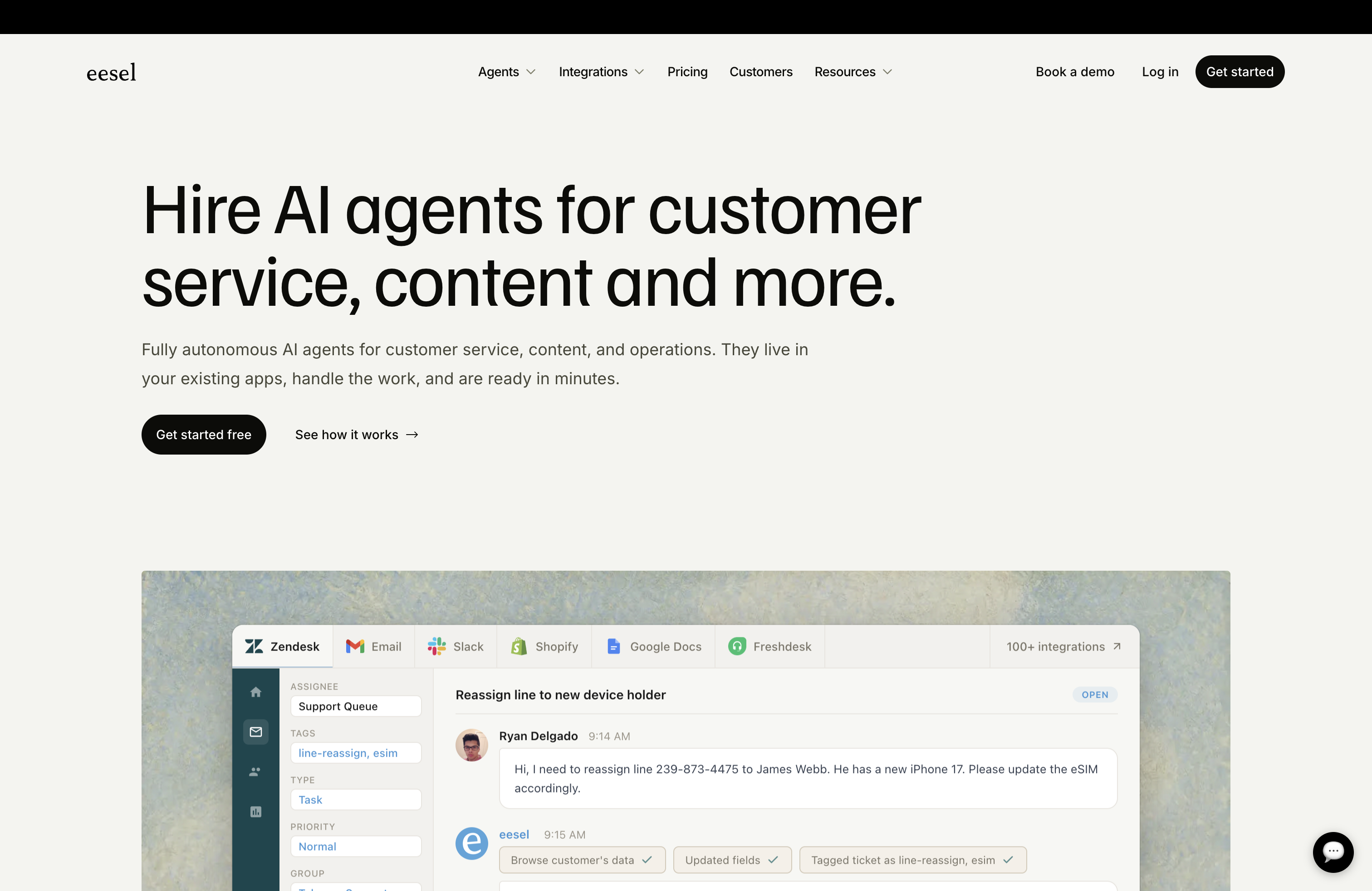
 8. eesel AI
The pragmatic overlay: ~$0.40 per task on the helpdesk you already run, trained on past tickets, deployable in days not quarters. Cautions: a layer, not a platform; governance and analytics are the desk's job. Fit: teams that want per-resolution economics at half the reference price without migrating anything. See the full eesel alternatives roundup.
Parahelp — the rising specialist. The agent behind several prominent AI companies, built for engineering-heavy SaaS teams that treat prompt configuration like software, now with published pricing: $1.25 per resolved ticket (Start), $1.00 (Scale), custom above 20,000 tickets a month, on top of the helpdesk it runs on. The depth is real; so is the profile it expects. Our full Parahelp comparison and alternatives roundup do the honest math.
SEGMENT: Seat-included AI on the inbox you have
 9. Drag
For Gmail and Google Workspace teams, the segment most listicles forget exists: Varley, Drag’s AI, included in the seat from $18. What is included: grounded reply drafts, automatic tagging, sentiment, thread summaries, answers from your docs, and Copilot, on shared inboxes with boards, round-robin, collision detection, and reporting. Two things the others here cannot say: an MCP server (47 tools) so Claude, ChatGPT, or Cursor can operate the queue by prompt, and a flat bill: five seats with full AI is $90 a month whatever your volume does. Honesty: Drag is not an autonomous enterprise platform; its end-to-end agent (Varley’s Agent) resolves conversations on Pro, and the rest of Varley works human-in-the-loop by design. That is the point: for most SMB teams the assist layer plus a good knowledge base is the highest-ROI AI purchase of 2026, and it is reversible, month to month, on the inbox you already run. Fit: Gmail-based teams under a few thousand conversations a month. See how MCP changes support and the honest definition of an AI support agent.






How to choose
Four questions. What volume genuinely repeats? (Under 50% repetitive, buy assists, not autonomy.) What can you reverse? (Month-to-month beats contracts while the market moves this fast; three acquisitions reshaped this list in four months.) Where does your team already work? (AI in the tool you have beats better AI in a tool you must migrate to.) And who maintains the knowledge? (Every product on this page is only as good as the knowledge base underneath it; Gartner's 40%-canceled prediction is mostly this sentence ignored.)
Frequently asked questions
What is the best AI agent for customer support in 2026?
It depends which segment you are buying: Sierra and Decagon lead enterprise autonomy, Fin is the per-resolution reference, Zendesk and Freshdesk lead helpdesk-native AI, and Drag leads seat-included AI for Gmail teams. The buying mistake is comparing across segments.
How much do AI support agents cost?
Four models: per resolution ($0.40 to $1.50), per-seat add-ons ($29 to $50 per agent monthly), outcome-based enterprise contracts, and seat-included flat pricing. At 1,000 monthly conversations the same workload ranges from roughly $90 flat to $1,400 plus.
Do I need an autonomous AI agent or AI assists?
If under half your volume is genuinely repetitive, assists (drafting, tagging, triage) capture most of the value at a fraction of the cost and risk. Autonomy earns its price on high, clean, repetitive volume with a maintained knowledge base.
What is the difference between a chatbot and an AI agent?
Chatbots follow scripts; agents use LLMs to understand context, reason, and take actions like refunds or account updates. The full definition: what is an AI support agent.
Can AI agents work inside Gmail?
Yes. Drag includes Varley, its AI, in its Gmail shared inbox from $18 per user, and via MCP an assistant like Claude can triage, draft, and report on the queue by prompt.
Why do AI support projects fail?
Gartner predicts over 40% of agentic AI projects canceled by end-2027: escalating costs, unclear value, weak risk controls, and above all unmaintained knowledge bases. Reversible, month-to-month purchases on existing infrastructure fail cheapest.
Which AI agent is best for ecommerce?
Gorgias AI for Shopify-first stores (brand-voice automation with store data), with Fin and eesel as strong desk-agnostic options. For email-led stores on Google Workspace, Drag's seat-included assists cover the drafting and triage layer.

Co-founder
Building Drag for nearly ten years: shared inboxes, boards, and now the AI and agent layer, all on Gmail, plus HeyHelp for the personal inbox. Writes the honest versions of the comparisons.
