












The best free task management software must have some essential features. Check out the 17 best options that can really help you at work.
Table of contents
- The free plans at a glance
- What is task management?
- Why use a task management tool?
- The 17 best free task management software, verified
- The ones we removed, and why
- Which free plan fits your team size?
- How to choose the best free task management software?
- What you need to know about task management software
- When free stops being enough
- Frequently asked questions
Every "free task management software" list has the same problem: the free plans change faster than the articles. Tools quietly retire their free tiers, cap them at two users, or shut down entirely, and the lists keep recommending them. So this one works differently: all 17 tools below are alive, all their free plans were verified directly against each vendor's pricing page, and every entry states exactly what the free tier includes and where it stops, with the caps that actually bite. Three tools this page used to list have been removed because their free plans no longer exist, and one because it shut down. What remains is the honest state of free task management in 2026: what you can genuinely run for nothing, and the point at which each tool starts charging.
The free plans at a glance
| Tool | Free plan reality | First paid plan |
|---|---|---|
| Drag | No free plan; 7-day trial, no card | $12/user/mo |
| Todoist | Free for personal use | $5/user/mo |
| Trello | Free, up to 10 collaborators | $5/user/mo |
| Google Tasks | Entirely free, no paid tier | — |
| Notion | Free for individuals | $10/member/mo |
| ClickUp | Free, unlimited members (60 MB storage) | $7/user/mo |
| Asana | Free, capped at 2 users | $10.99/user/mo |
| monday.com | Free, capped at 2 seats | $9/seat/mo |
| Jira | Free, up to 10 users | $7.91/user/mo |
| Wrike | Free, unlimited users (feature-limited) | $10/user/mo |
| Freedcamp | Free, unlimited users | $1.49/user/mo |
| Quire | Free | $7.65/member/mo |
| MeisterTask | Free tier | ~$14.50/user/mo |
| Clockify | Free, up to 5 users | $3.99/seat/mo |
| Nifty | Free, unlimited members | $7/member/mo |
| Basecamp | Free, 1 project | $15/user/mo |
| Bitrix24 | Free, capped at 1-2 users | $49/org/mo |
All figures verified against vendor pricing pages at publication; annual billing where plans differ. The caps column is the one to read first: a "free" tool capped at two users is a personal tool, whatever its marketing says.
What is task management?
Task management is the practice of tracking work from capture to completion: what needs doing, who owns it, when it is due, and what state it is in right now. Software earns its place the moment those four facts stop fitting in one person's head, which for most teams is the day a second person joins.
Why use a task management tool?
There are many benefits of switching from a simple way of listing your tasks on software:
Organize workload
A shared tool makes load visible: who is carrying what, what is overdue, and what is quietly stuck. That visibility is the difference between rebalancing work on Tuesday and discovering the problem in Friday's retro.
Facilitate team collaboration
Tasks with owners, comments and files in one place end the status-update meeting. The tool answers "where are we on this?" so people do not have to.
Track work progress
Progress you can see is progress you can trust. Boards and lists show flow at a glance, and the history under each task shows how it got there, which is what makes handoffs and cover-for-vacation survivable.
Drag · with Varley
The inbox your team and Varley work in together
Shared inbox and live chat for Gmail teams, with Varley, Drag’s AI, included from $18. Plus an MCP server your own AI tools can drive.
The 17 best free task management software, verified
The list runs from Gmail-native to general-purpose. For each tool: what it is, what the free plan genuinely includes, and the cap that will make you pay.
 1. Drag
Drag is the honest exception on this list: it has no free plan, and we are not going to pretend otherwise. It turns Gmail itself into the task board: emails become tasks, tasks live in shared boards with assignment, due dates, checklists and automations, and the boards, emails and tasks can all be driven from Claude or ChatGPT through Drag's MCP server. There is a 7-day trial with no card required, and paid plans start at $12 per user per month. Best for teams whose tasks mostly arrive by email and who would rather manage them where they land than copy them into a second tool.
 2. Todoist
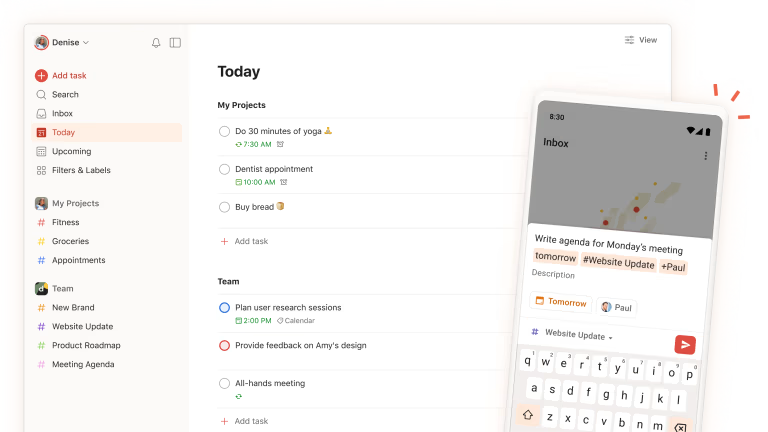
Todoist is the cleanest pure task manager on the list, built around quick capture and natural-language dates. The free Beginner plan covers personal use comfortably, with up to 5 active projects, priorities, and apps on every platform. The cap that bites: collaboration and reminders sit in Pro at $5 per user per month billed yearly. Best for individuals who want frictionless personal task capture.
 3. Trello
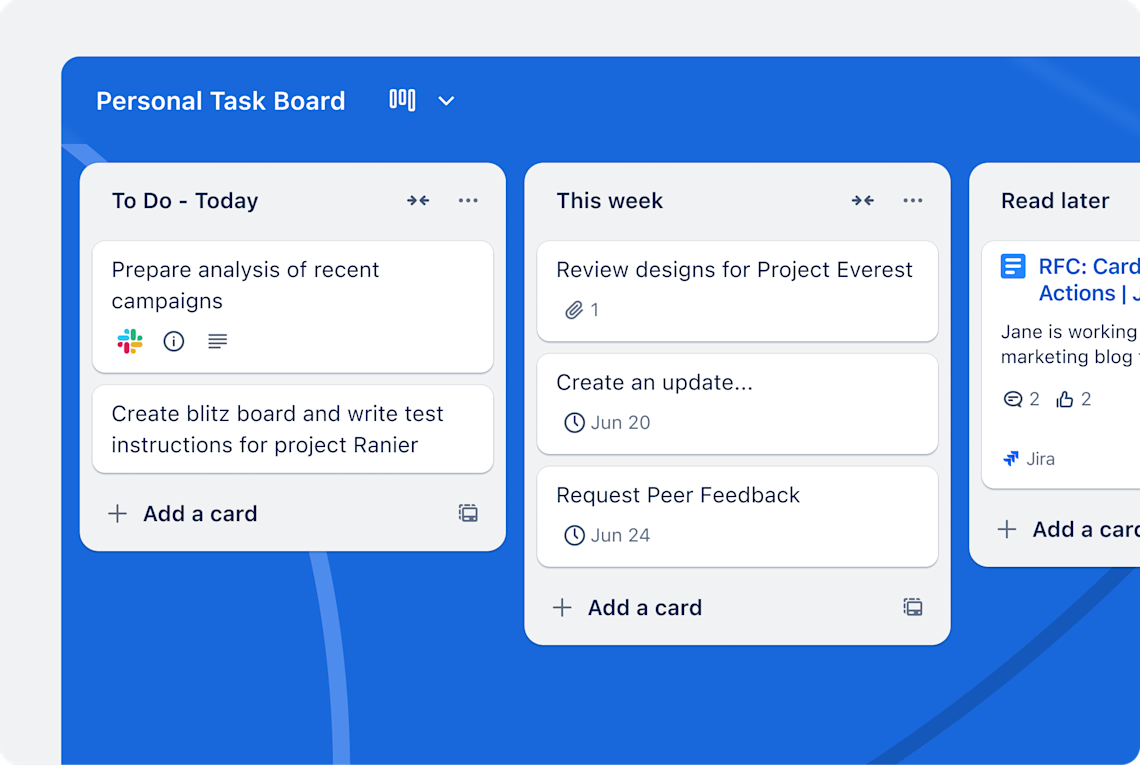
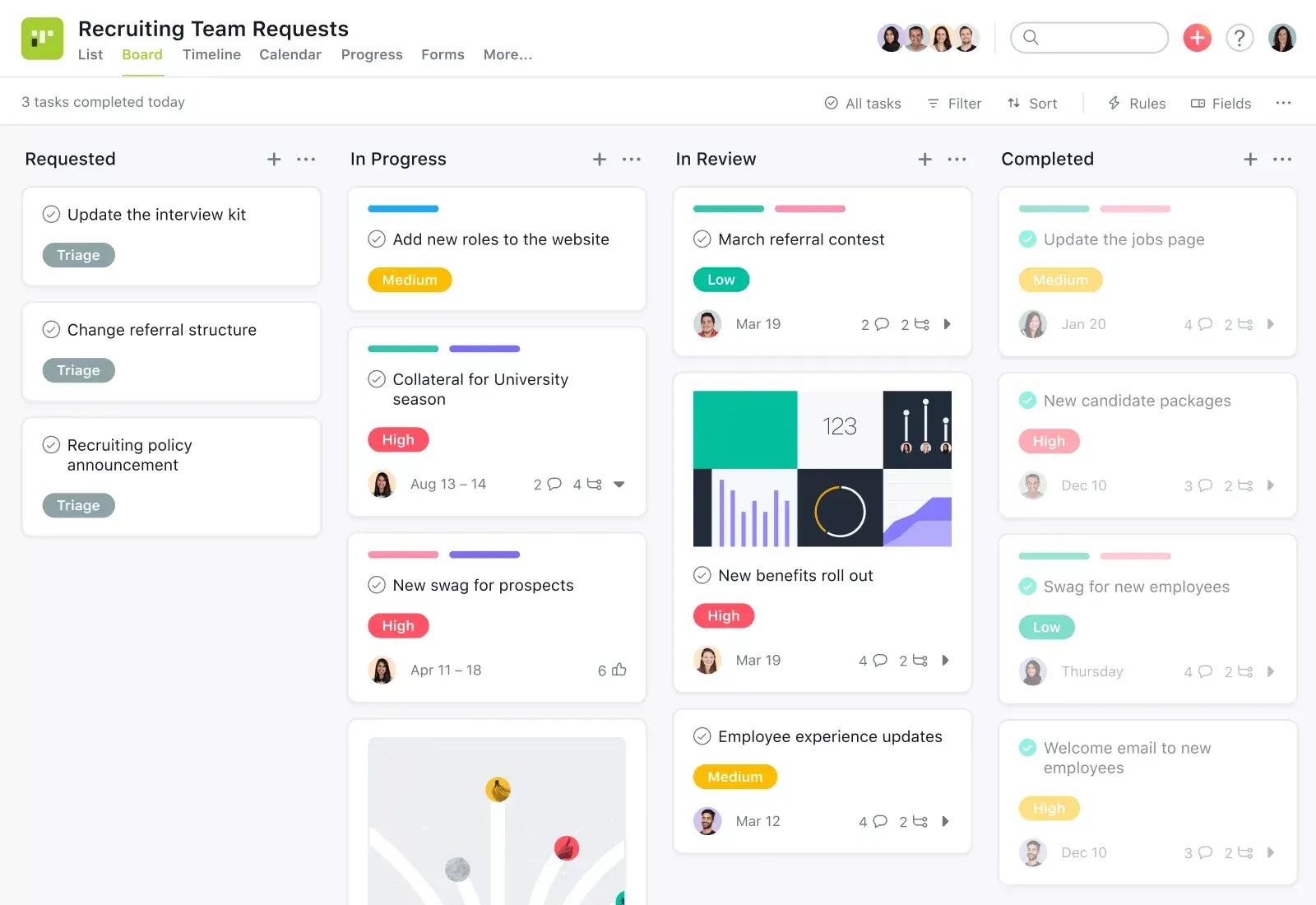
Trello is the visual board everyone has met: cards, columns, drag and drop. The free plan is genuinely generous, with unlimited cards and up to 10 collaborators per workspace across 10 boards. The cap that bites: multiple board views and advanced checklists arrive with Standard at $5 per user per month billed annually. Best for small teams that think in boards and want the least possible setup.
 4. Google Tasks
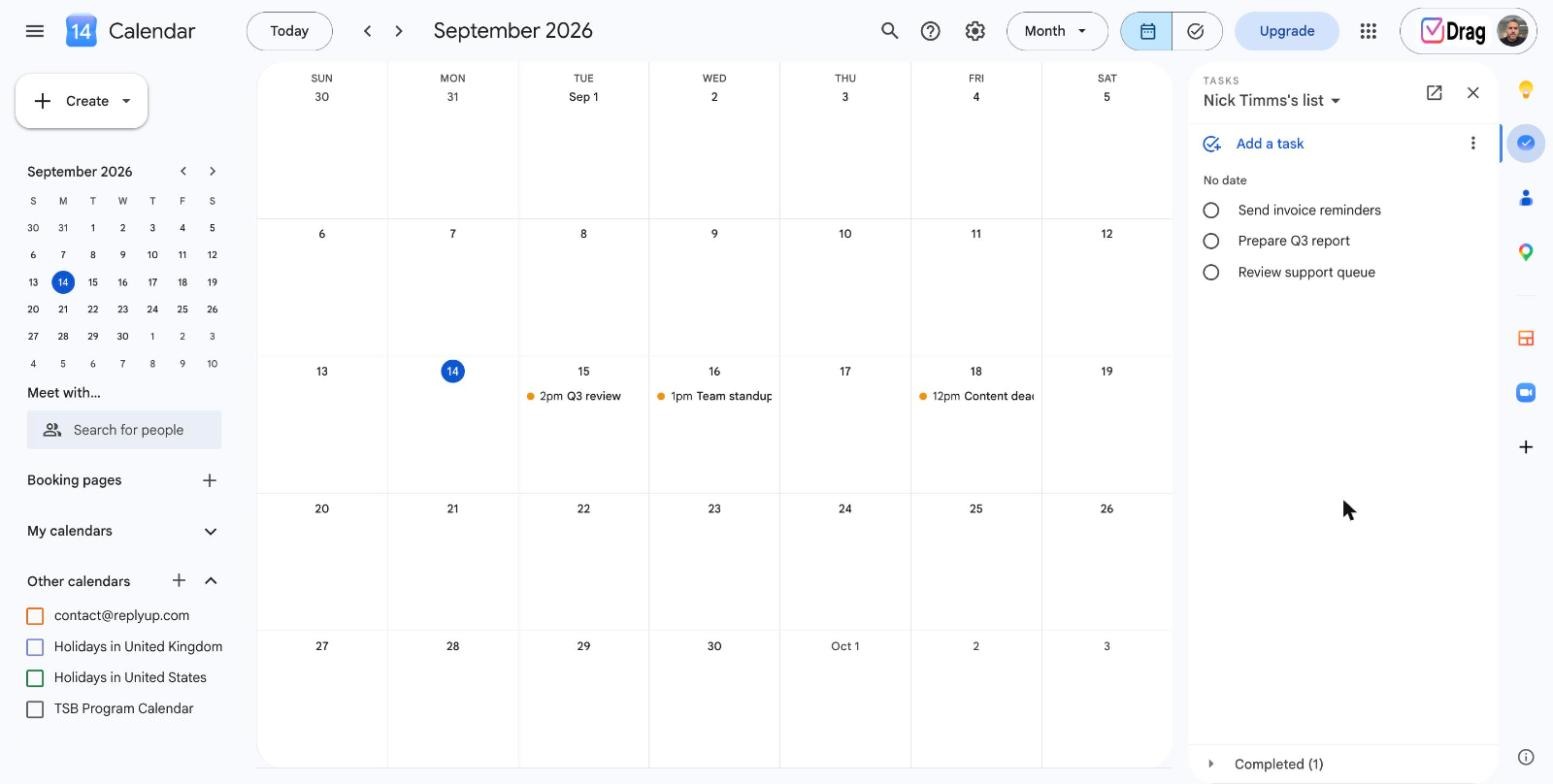
Google Tasks is the closest thing to truly free on this list: there is no paid tier at all. It lives inside Gmail and Google Calendar, turns emails into tasks in one click, and syncs everywhere your Google account goes. The cap that bites is functional rather than commercial: no sharing, no boards, no assignment, so it is strictly personal. Best for individuals already living in Gmail who need lists, not workflows.
 5. Notion
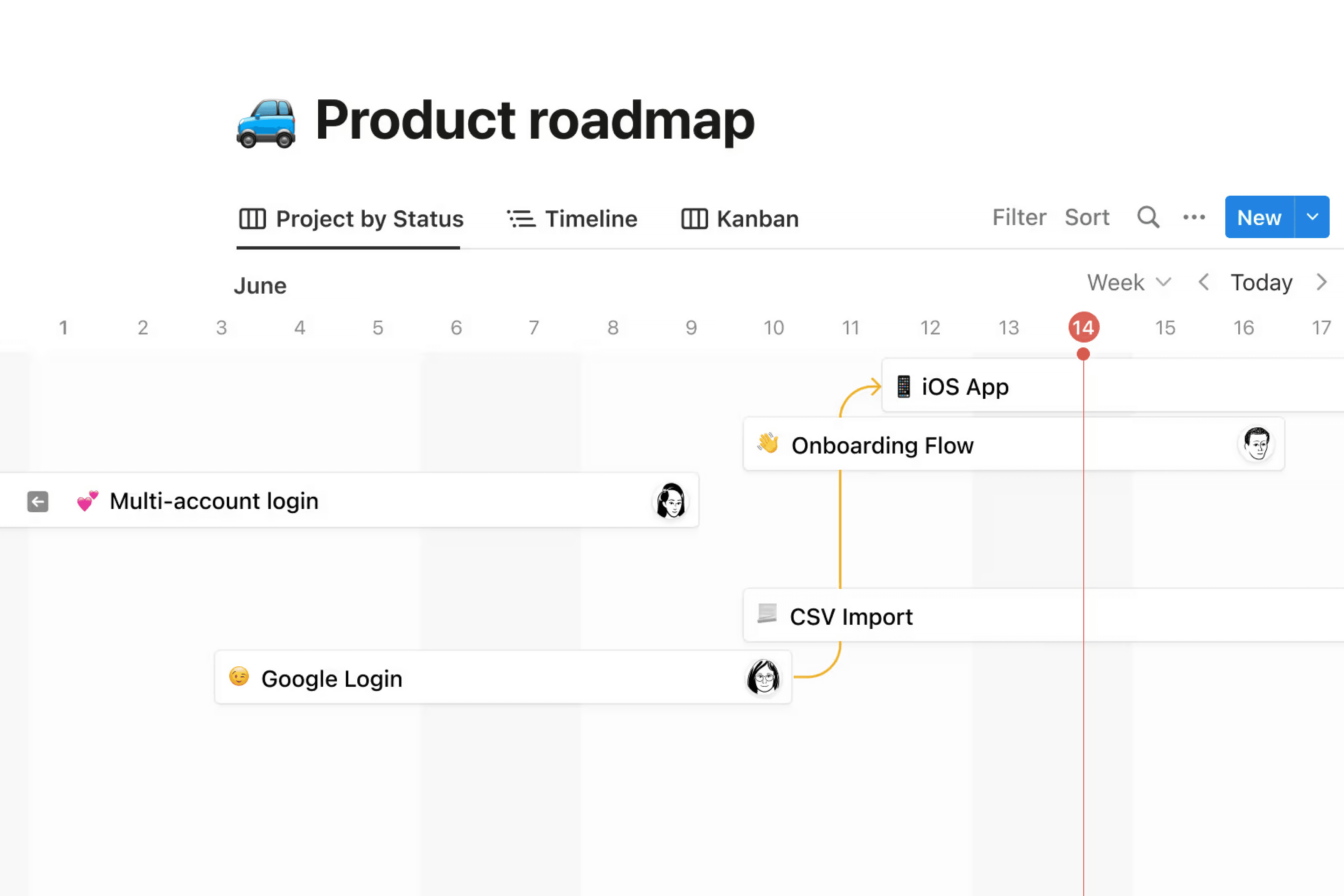
Notion is the flexible workspace where tasks, docs and databases share one system. The free plan is complete for individuals, with unlimited pages and blocks. The cap that bites: real team collaboration moves to Plus at $10 per member per month billed annually. Best for people who want their tasks living next to their notes and docs rather than in a dedicated tracker.
 6. ClickUp
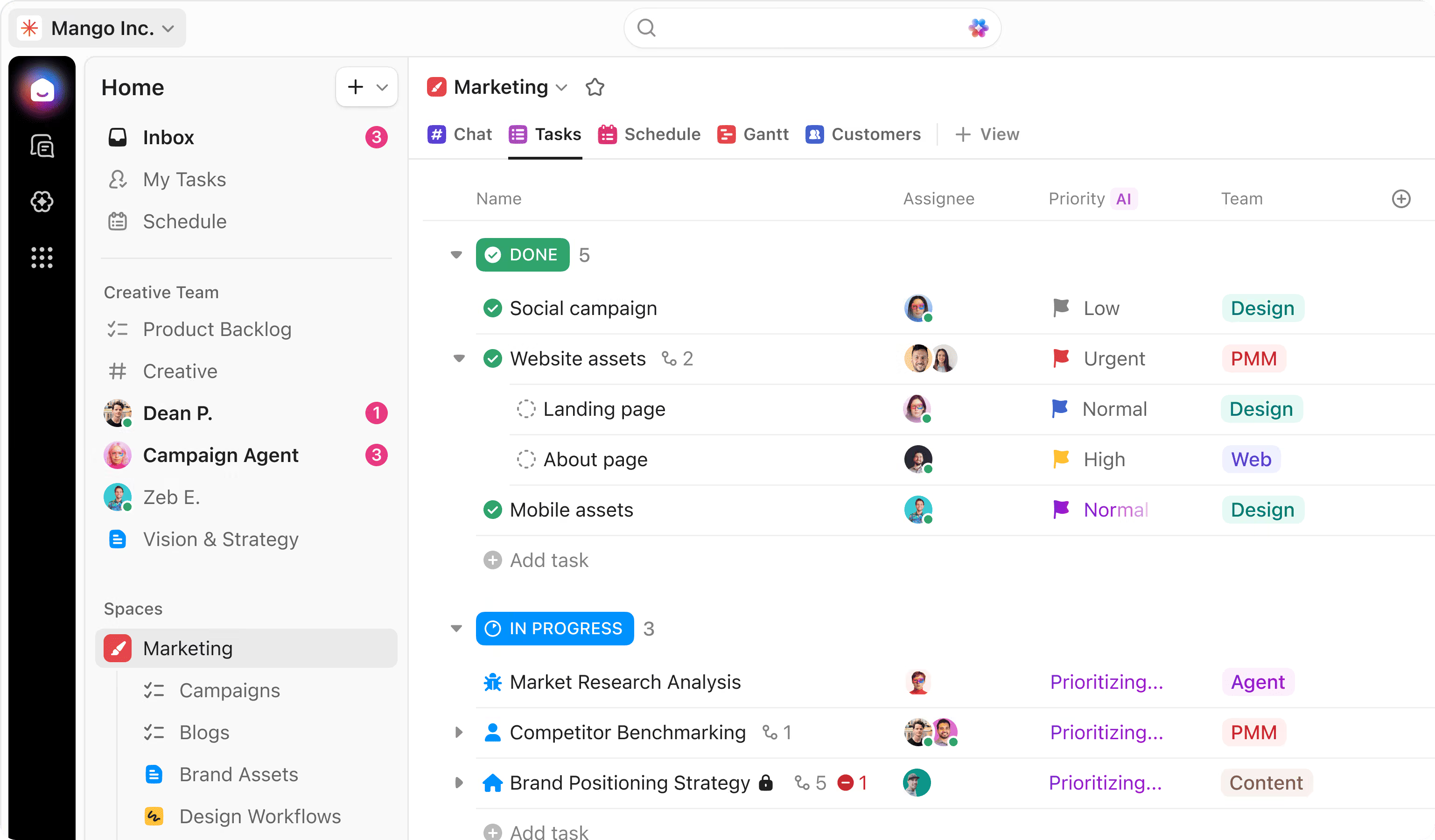
ClickUp packs the most features per dollar in the category: lists, boards, docs, goals and time tracking in one tool. The Free Forever plan's real shape: unlimited members and unlimited tasks, with the squeeze coming from a 60 MB storage cap rather than headcount. The first paid plan is Unlimited at $7 per user per month billed annually. Best for teams that want maximum capability free and accept a busier interface in exchange.
 7. Asana
Asana is the polished standard for structured project work. Know the 2026 reality before choosing it: the free Personal plan now caps at 2 users, down from 10, which makes free Asana an individual or duo tool rather than a team option. Paid Starter begins at $10.99 per user per month billed annually. Best for solo operators and pairs who want the smoothest interface in task management and may pay for it later.
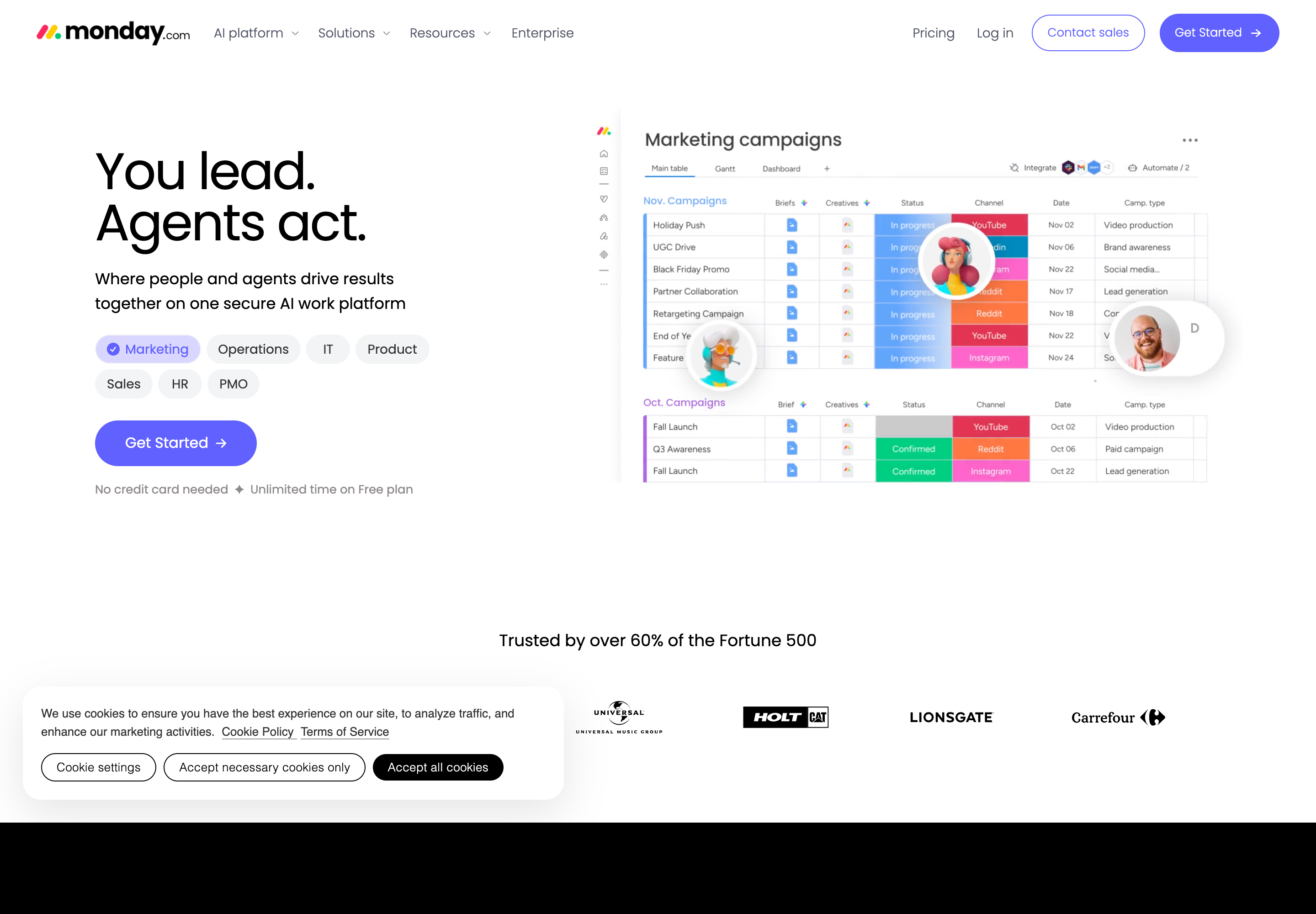
 8. monday.com
monday.com is the customizable work OS: colorful boards that bend into CRM-ish, project-ish, anything-ish workflows. The free plan caps at 2 seats, so like Asana it is effectively personal. Paid Basic runs about $9 per seat per month billed annually with a three-seat minimum, so the real entry bill is about $27 a month. Best for duos who want visual, customizable tracking and expect to grow into a paid team plan.
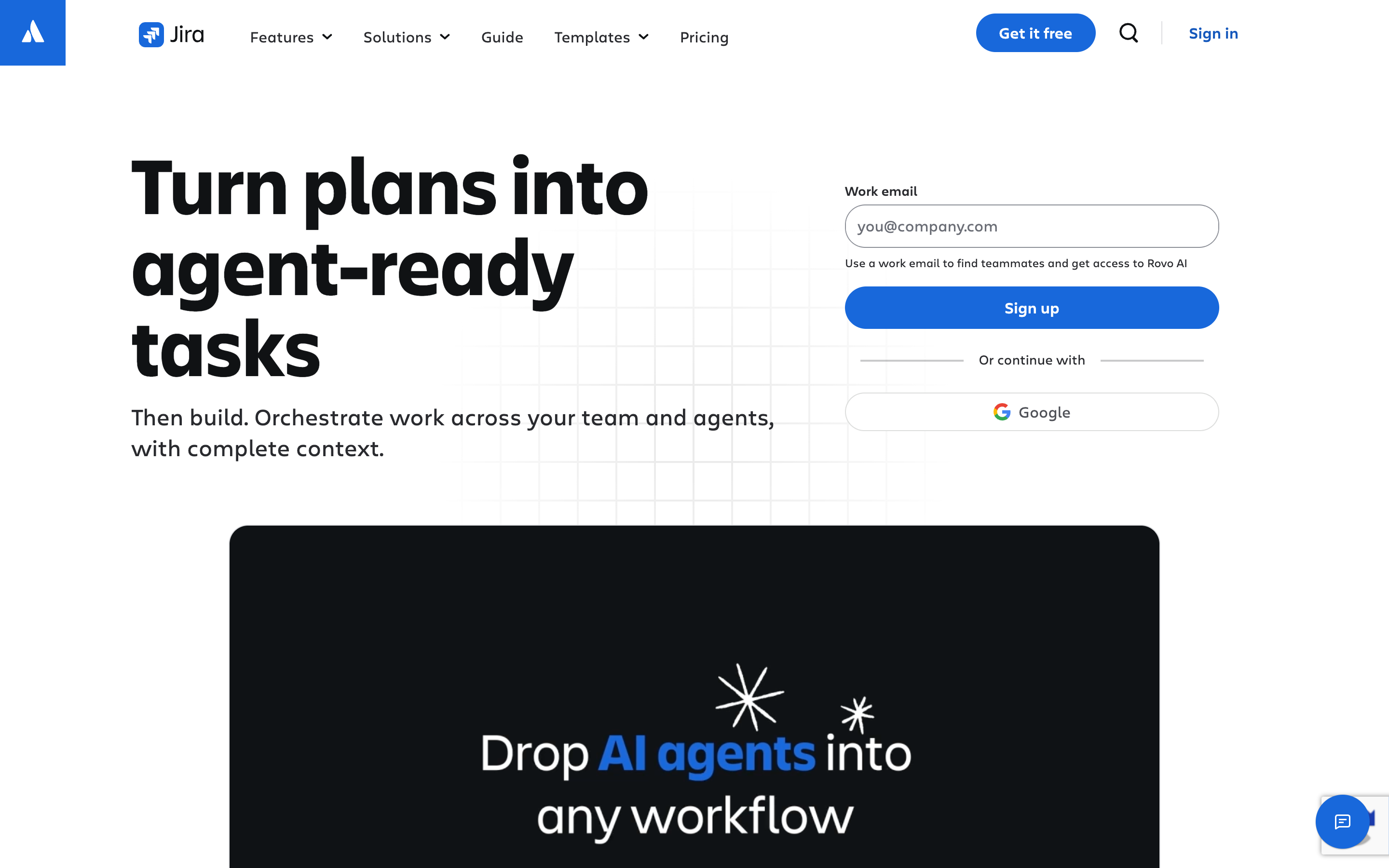
 9. Jira
Jira is the developer heavyweight, and its free plan is one of the more generous serious options: up to 10 users with boards, backlogs and sprints included. The cap that bites: storage limits and user count, with Standard at $7.91 per user per month. Best for software teams working in sprints who want the tool their industry already speaks.
 10. Wrike
Wrike is the enterprise-leaning project platform with a real free tier: task management for unlimited users with board and table views, limited by storage and feature depth rather than headcount. The cap that bites: dashboards, Gantt charts and integrations start with Team at $10 per user per month billed annually. Best for teams that expect to grow into heavier project management and want the free tier as a genuine on-ramp.
 11. Freedcamp
Freedcamp is the sleeper: the free plan has unlimited users and projects, which almost nothing else on this list offers, and the first paid plan is the cheapest here at $1.49 per user per month billed annually. The cap that bites: the free tier trims features rather than people, so advanced views and integrations cost, headcount does not. Best for bigger teams that need everyone in the tool without a per-seat bill.

 12. Quire
Quire is a quietly excellent tree-and-board tool: tasks nest infinitely, then flip into Kanban view. The free plan covers small real-world use. The cap that bites: Professional at $7.65 per member per month billed annually unlocks the depth. Best for teams whose work decomposes into subtasks of subtasks.
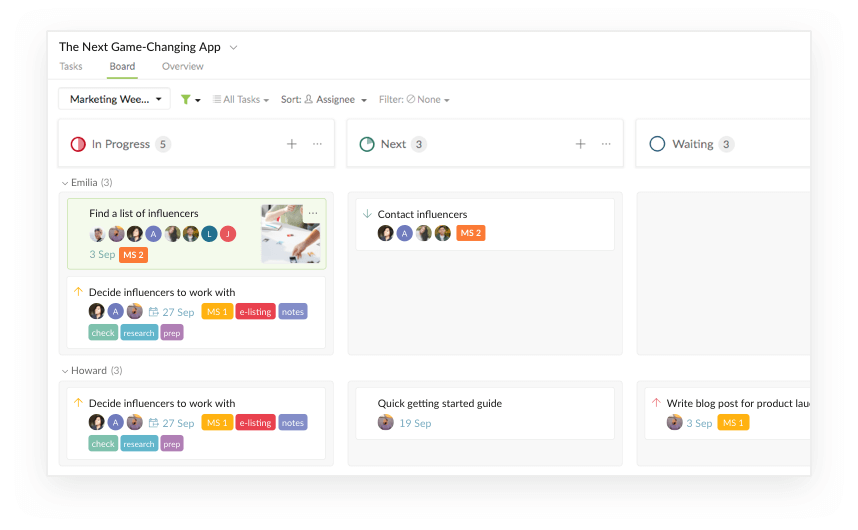
 13. MeisterTask
MeisterTask is the design-forward Kanban tool from the MindMeister family. The free tier handles basic personal boards. The cap that bites: automations, integrations and reporting live in Pro at around $14.50 per user per month billed annually. Best for visually minded individuals who value polish.
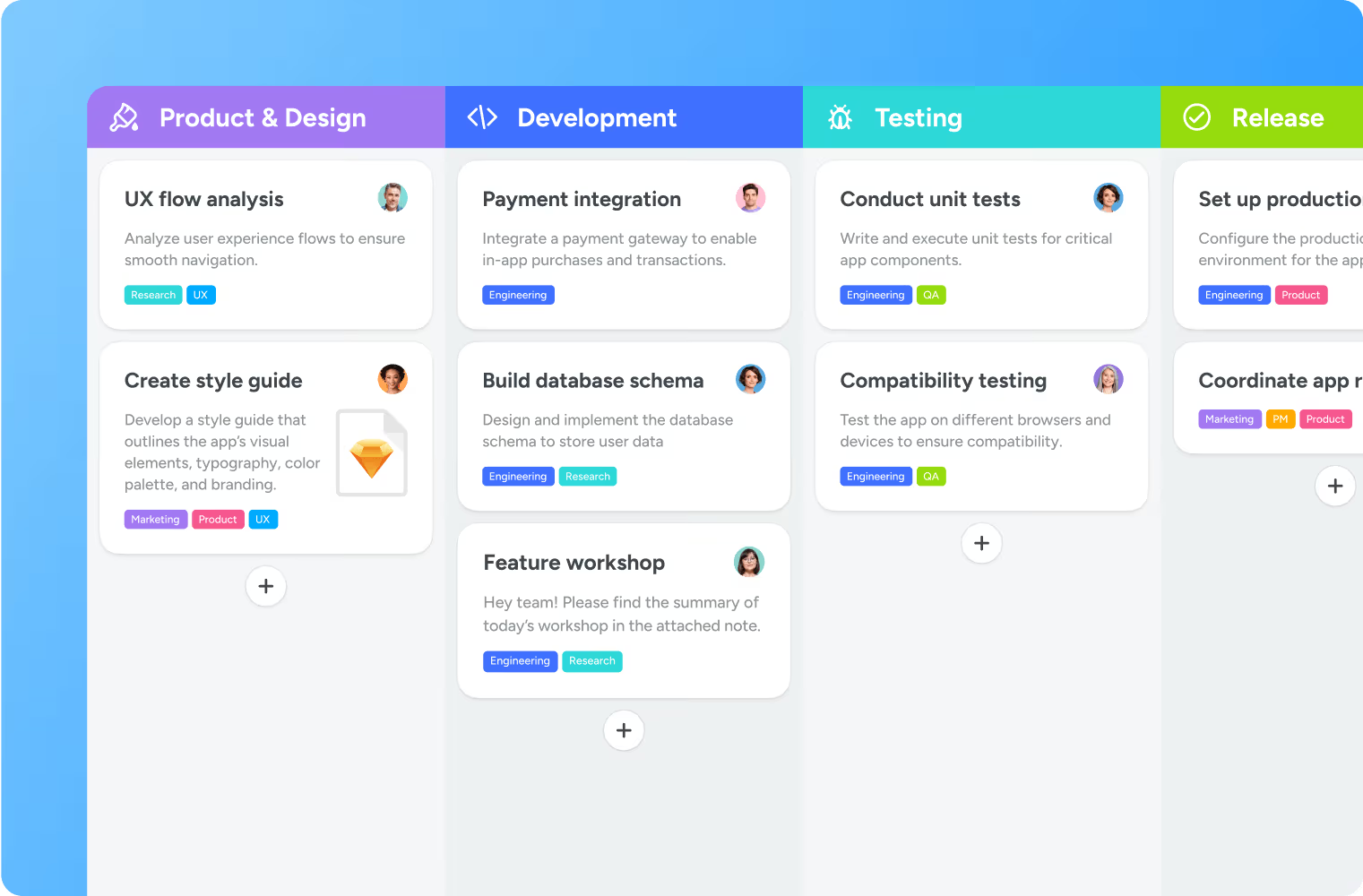
 14. Clockify
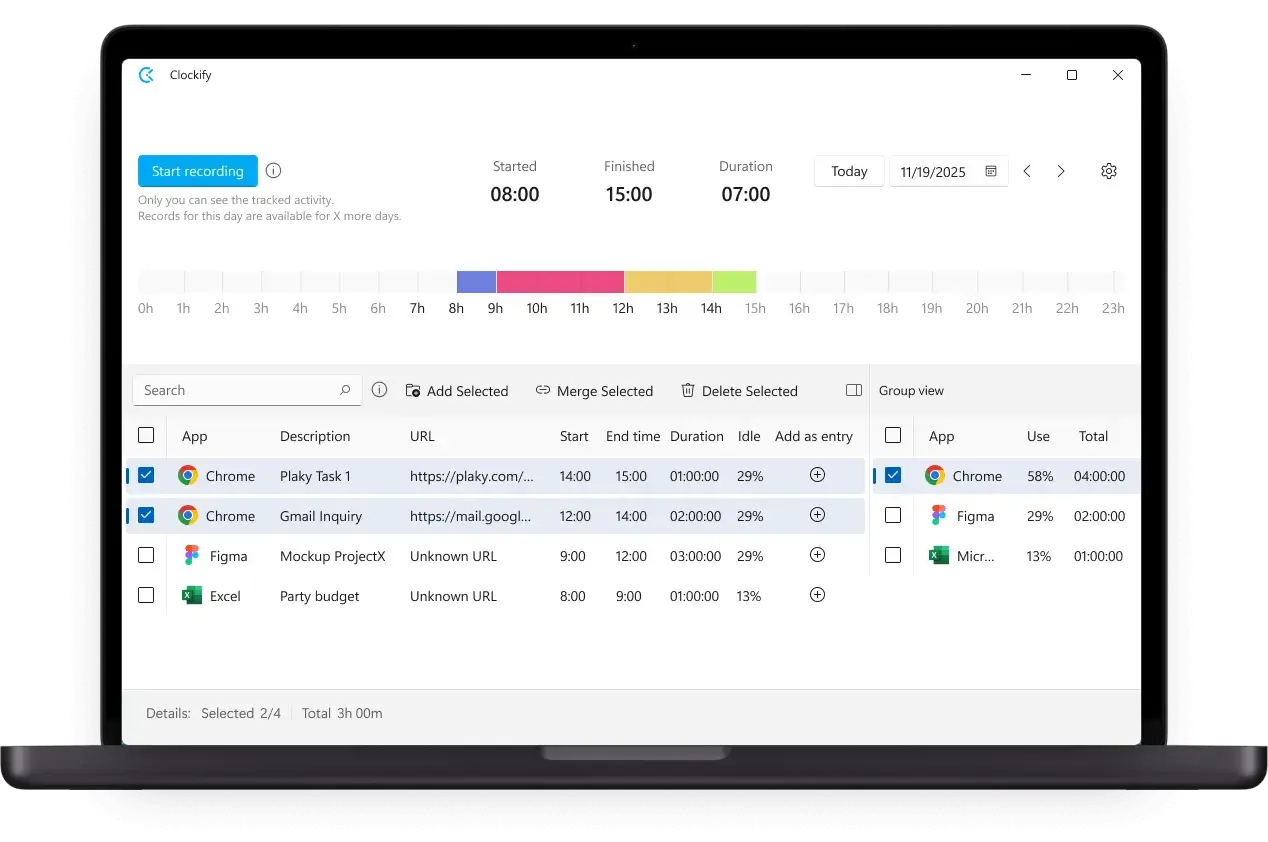
Clockify comes at tasks from the time side: it is a time tracker with task management attached, free for up to 5 users. The cap that bites: the Basic paid tier at $3.99 per seat per month billed annually adds the admin layer. Best for small teams that bill hours and want tasks and timesheets in one place.
 15. Nifty
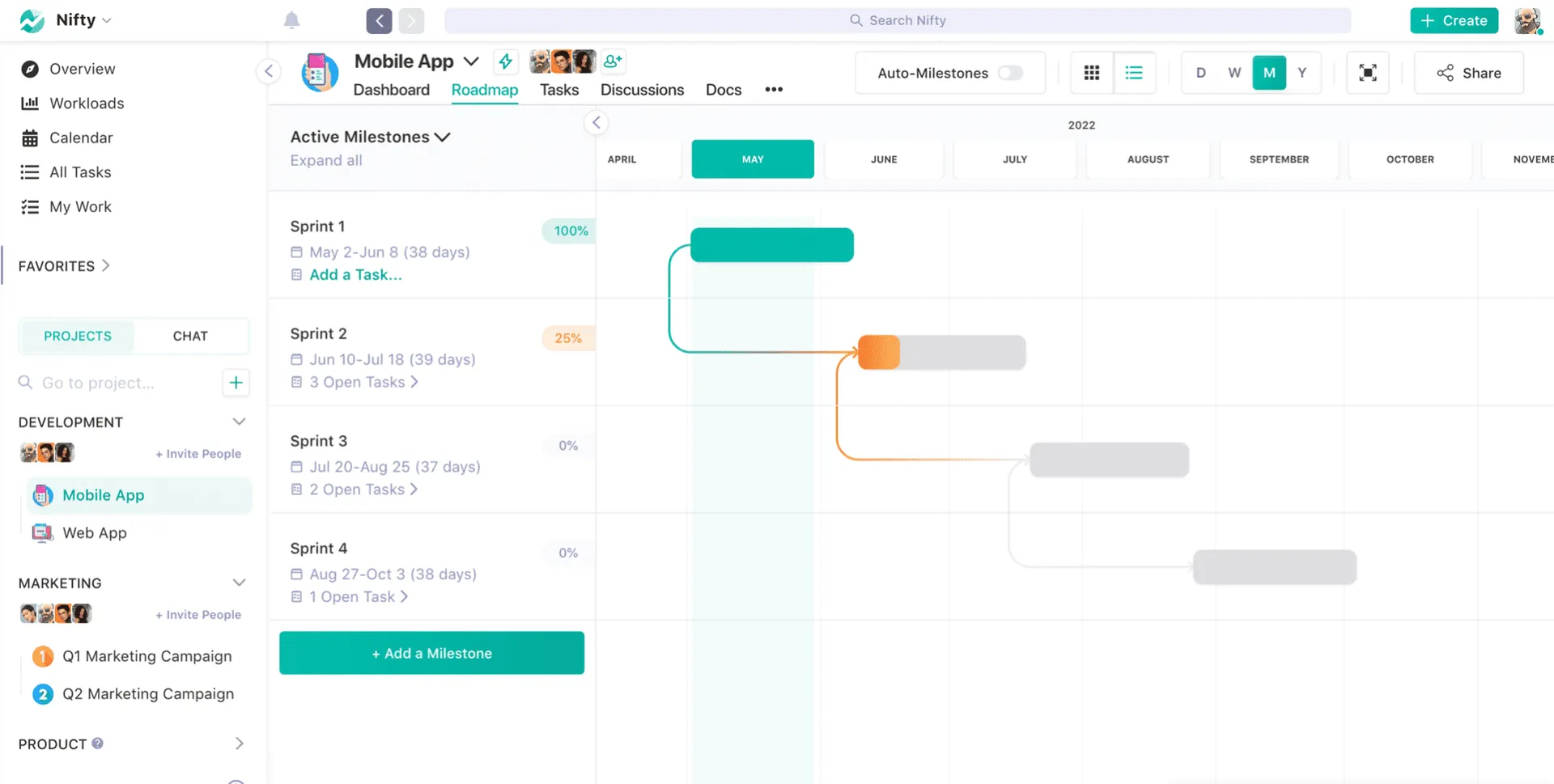
Nifty bundles tasks, roadmaps, docs and chat into one project hub, and its free plan takes unlimited members, with limits on projects and storage instead. Paid Personal starts at $7 per member per month. Best for small teams that want one app to replace three and can live within the free tier's project cap.
 16. Basecamp
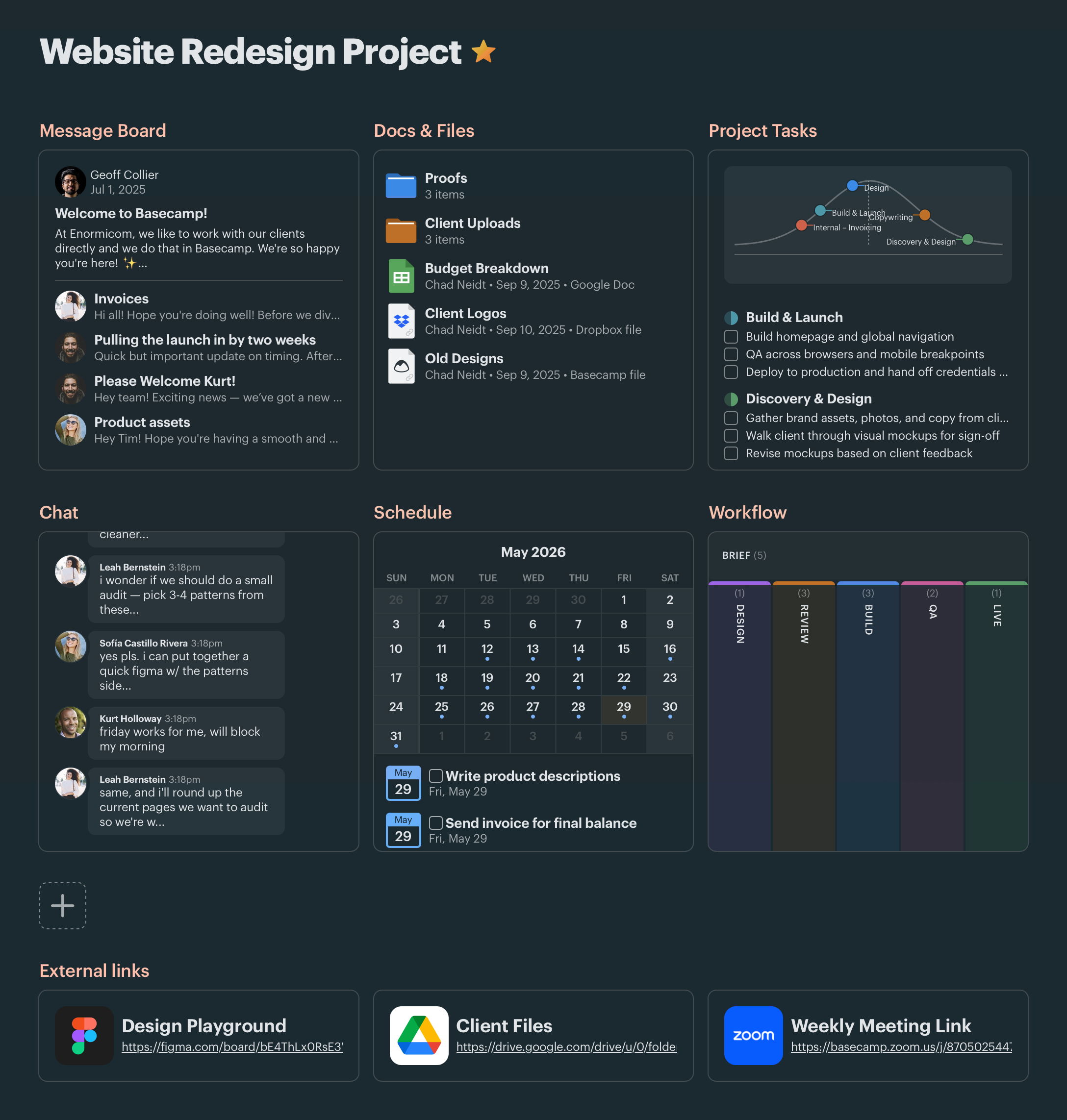
Basecamp is the opinionated classic: to-dos, message boards, and schedules with famous calm. The free plan covers exactly 1 project. Paid is $15 per user per month, with a flat-rate option for larger teams. Best for a team running one real project that wants structure without configuration.
 17. Bitrix24
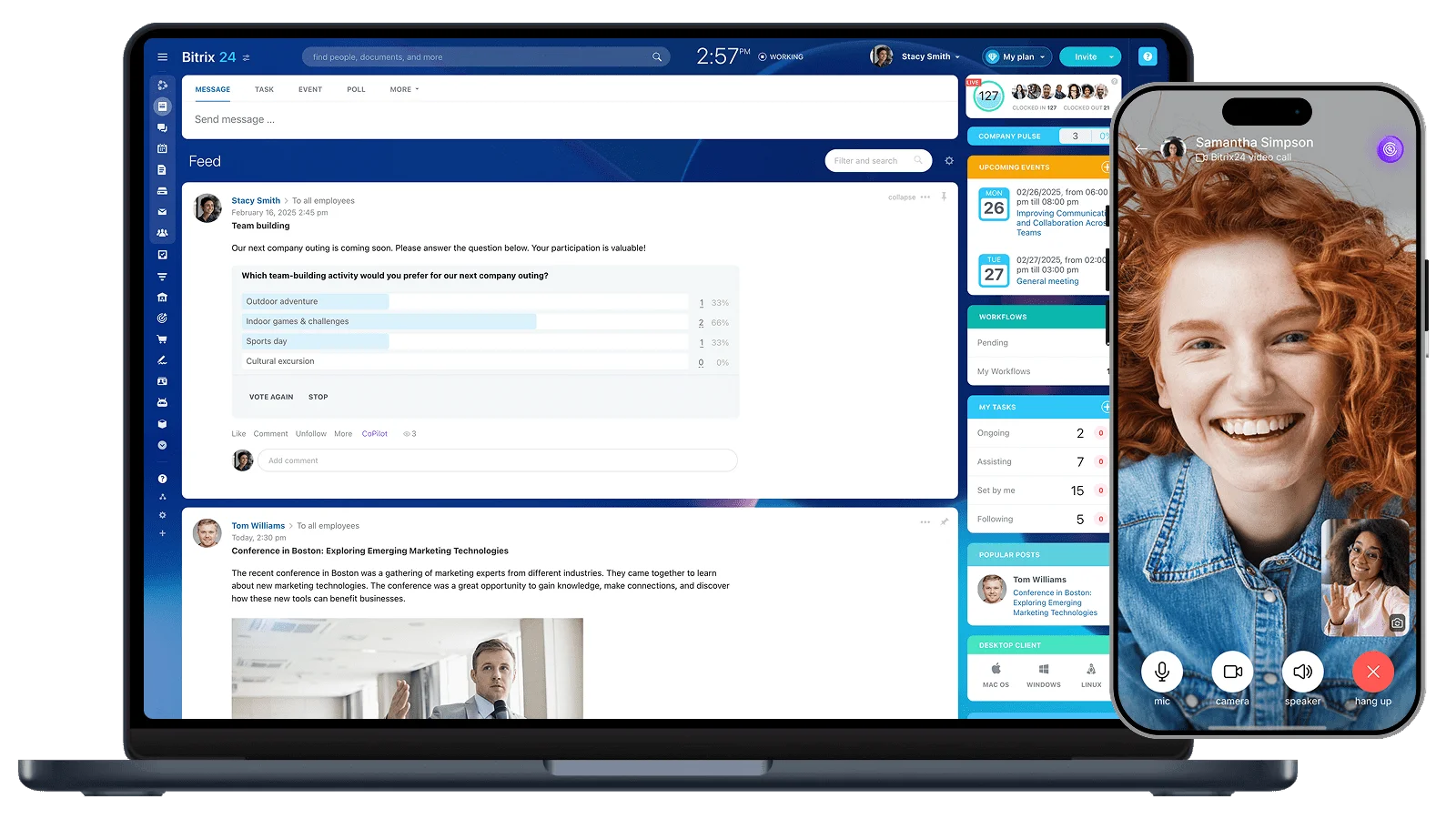
Bitrix24 throws in everything: tasks, CRM, chat, sites. Know its 2026 free reality: the free tier now covers only 1-2 users, a sharp cut from the old unlimited plan this page previously described. Paid Basic is $49 per organization per month billed annually, which flips the math: per-org pricing gets cheap per head for bigger teams. Best for very small operations that want a bundled suite and expect to pay once they are not.
The ones we removed, and why
Four tools left this list since its last edition, and the reasons are the point of the whole page. Infolio shut down entirely; its domain is parked. Evernote discontinued the Evernote Teams plan this list used to recommend. Wimi, Float and Agendrix all retired their free plans and now offer trials only, which makes them fine paid tools and wrong answers to this page's question. Free-plan lists rot fast; this one gets re-verified rather than left to.
Which free plan fits your team size?
The fastest way through the list is headcount, because user caps are where free plans actually end. Working alone: Google Tasks if you live in Gmail, Todoist if you want a dedicated app, Notion if your tasks belong next to your notes. Exactly two of you: Asana and monday.com are both excellent right up to their 2-seat caps. Up to five: Clockify if you also track time, Trello with room to spare. Up to ten: Trello and Jira are the generous serious options, with Quire close behind. A whole team on a genuinely free plan: Freedcamp, Wrike, Nifty and ClickUp all take unlimited users and limit features or storage instead, which is usually the better trade. And if your team's tasks arrive by email at a shared address, that is the one case where none of the free plans above solves the actual problem, which is what Drag's trial is for.
How to choose the best free task management software?
A decision like this requires analyzing your needs, expectations, and how your current workflow is settled right now. What features are essential for you? How many people are going to use this tool? If you are part of a team of 10 people, you can already eliminate some of the tools from the list on their free-plan caps alone. For team collaboration, check that the software is easy to use, that it has a delegation feature, and that onboarding is straightforward. No one wants to spend long weeks learning a new sophisticated tool and losing essential time because of that.
What you need to know about task management software
Two honest rules before you choose. First, the free plan is the product: judge the tool on what it gives you today, not the paid tier you might buy later, because the caps in the table above are where your evaluation actually ends. Second, adoption beats features: the best tool is the one your whole team will actually open daily, and that is usually the simplest one that covers your workflow, not the longest feature list.
When free stops being enough
Free plans end at predictable walls, and it is worth knowing yours in advance. The user cap is the hard one: when person three or six or eleven joins, you either upgrade or migrate, and migrating is worse. The softer walls are automation, since recurring tasks and rules sit almost universally behind paid tiers, reporting, because workload views and dashboards are how vendors monetize managers, and support, as free tiers come with forums rather than humans. The honest advice is the reverse of the sales pitch: do not upgrade preemptively. Run the free plan until you physically hit a wall, because many teams never do.
Frequently asked questions
What's a task management software?
A task manager is a digital space in which managers and team members can add, edit, and organize tasks.
Can you customize task management software?
Yes, some task management apps allow users to personalize their workflows. Some offer limited free plans with add-on options, and others have paid plans with additional resources. Most software offers visual tools: color-coding, custom tags and multiple views, like Kanban, to-do lists and deadline calendars.
What can a task management software help with?
A task manager can help you organize your work schedule by transforming messages and emails into actionable tasks. They often come with collaboration tools like task assignments, internal chat, and task notes to help the users navigate each demand.
What types of task management software are there?
There are two main types: standalone apps and plug-in tools. Standalone apps like Trello or Asana work on their own, while plug-ins like DragApp work inside platforms you already use, like Gmail.
How can you add tasks to task management software?
You can add tasks manually or automatically, depending on the software. Some apps offer email extensions to create tasks directly from your inbox. With DragApp, tasks are created automatically from your emails in Gmail, so you don't need to copy or import anything manually.
Is any task management software completely free?
Google Tasks is the only tool here with no paid tier at all. Everything else is freemium: a genuine free plan with caps designed to convert you eventually. The caps to check are users, projects, and storage, in that order.
What is the best free task management tool for small teams in 2026?
For teams of three to ten, the honest shortlist is Trello (10 collaborators free), Jira (10 users, if your work is software), Clockify (5 users, if you track time), and Freedcamp (unlimited users with feature limits). Asana and monday.com, often recommended for teams, now cap their free plans at 2 users.
Why did Asana's free plan get worse?
In March 2026 Asana cut the free Personal plan from 10 collaborators to 2 for new accounts, following the wider industry pattern of tightening free tiers. Existing older accounts kept the larger limit. It is still an excellent product; it is just no longer a free team option.

Co-founder
Building Drag for nearly ten years: shared inboxes, boards, and now the AI and agent layer, all on Gmail, plus HeyHelp for the personal inbox. Writes the honest versions of the comparisons.
