













Client management software for accountants, sorted properly: practice management, CRM, and the shared inbox for tax@ and billing@ during season, with every price from the vendor's own page and the honest fit for each kind of firm.
Key takeaways
- The category question comes first: practice management software runs the engagements, a CRM wins the clients, and a shared inbox manages the firm-wide addresses, and no single product does all three well.
- Several famous names on lists like this are miscategorized: Zoho Books is accounting software, not a CRM, and the practice management tools firms actually compare, Karbon, Canopy, TaxDome, Financial Cents, rarely appear on generic client-management lists at all.
- During season, the firm's real client-management surface is email: the shared addresses where deadlines, documents, and approvals arrive, which is a workflow problem before it is a software category.
Table of contents
- What is client management software for accountants?
- The three kinds of client management an accounting firm actually buys
- 1. Drag - the shared inbox for the addresses your whole firm answers
- 2. HubSpot CRM - winning new clients
- 3. Insightly - CRM with project delivery
- Practice management and accounting software
- How to choose
- How this guide is verified
- Client management software FAQs
"Client management software" means three different purchases to an accounting firm, and most lists blur them into one: practice management for the work itself, a CRM for winning new clients, and a shared inbox for the addresses the whole firm answers, tax@, payroll@, billing@, especially in season. Buying the wrong category is how firms end up with software nobody opens after February.
This guide resolves the category first, then covers the honest options in each, with every price read from the vendor's own page in July 2026 and the tools accounting firms actually buy named even where they are not ours to sell.
| Tool | Lane | Pricing | Best for |
|---|---|---|---|
 Drag Drag | Shared inbox | $12, $18 (AI included), $24 | The tax@ and billing@ addresses the whole firm answers |
 HubSpot CRM HubSpot CRM | CRM | Free for up to 2 users; paid tiers per seat | A small firm's first pipeline |
 Insightly Insightly | CRM | $29, $49, $99 per user per month | Firms that deliver won work as projects |
 Zoho Books Zoho Books | Accounting software | From £10 per organization per month in the UK | Ledger, invoicing and VAT, not client relationships |
| Karbon, Canopy, TaxDome, Financial Cents | Practice management | Not priced here | Engagements, deadlines, document requests, e-signatures |
What is client management software for accountants?
Client management software is any tool a firm uses to run its side of the client relationship, and for accountants the phrase hides three different products: practice management software that runs the engagements, CRM software that wins and tracks new business, and shared inbox tools that manage the addresses clients actually write to. Vendors and listicles use "client management" for all three interchangeably, which is exactly why so many firms buy one category and discover they needed another.
The test that cuts through it is to name what is actually slipping. Missed internal deadlines and messy handoffs are a practice management problem. A thin pipeline of new clients is a CRM problem. And client emails sitting unowned in tax@ or billing@ while three people assume someone else has them is an inbox problem, the one that gets expensive fastest in season. The rest of this guide takes those three in turn.
The three kinds of client management an accounting firm actually buys
Practice management runs the work: engagements, deadlines, document requests, e-signatures, workflow. This is the category built for accounting firms specifically, and the names firms compare are Karbon, Canopy, TaxDome, and Financial Cents. If "client management" means managing the delivery of client work, this is your category, and the honest note is that none of the general-purpose tools below replaces it.
CRM wins and tracks new business: pipeline, contacts, follow-ups. Most small firms need far less CRM than vendors suggest, and the two below cover the realistic range.
The shared inbox is the category lists forget, and for many firms the one that hurts daily: the tax@, payroll@, and billing@ addresses that several people answer, where a missed email in March is a missed deadline. That category is ours, and it is first below because season makes it the firm's real client-management surface.
1. Drag - the shared inbox for the addresses your whole firm answers
Best for: firms whose shared addresses carry the client work, and whose season pain is "who has this email?"
Drag turns the firm's shared addresses into a shared inbox with boards on the Gmail you already use, or as a standalone app: every client email becomes a card with an owner, internal notes, due dates, and tasks, so a VAT return query lands with a name on it instead of sitting unread in a mailbox three people assume someone else checked. AI is included from the middle plan, drafting, tagging, summarizing, and an MCP server on the Pro plan means the inbox can be run from Claude or ChatGPT.






- Pricing: $12, $18 (AI included), $24 per user per month billed annually. 7-day trial, no card, no free plan.
- Rating: 4.7 from over 1,200 reviews.
- Watch-outs: it is not practice management, so engagements, e-signatures, and document workflows still live in that category; Drag manages the email side of client work, which in season is most of it.
Drag · with Varley
The inbox your team and Varley work in together
Shared inbox and live chat for Gmail teams, with Varley, Drag’s AI, included from $18. Plus an MCP server your own AI tools can drive.
2. HubSpot CRM - winning new clients
Best for: firms that want a serious free starting point for pipeline and contacts.
HubSpot's free CRM is the standard answer for a small firm's first pipeline, with contact records, deal stages, and email logging, and it connects to Gmail through the HubSpot Gmail integration. The claim that matters got stricter: HubSpot's own page now says the free tier is for up to 2 users, not the unlimited seats older lists still quote, and the paid tiers price per seat.
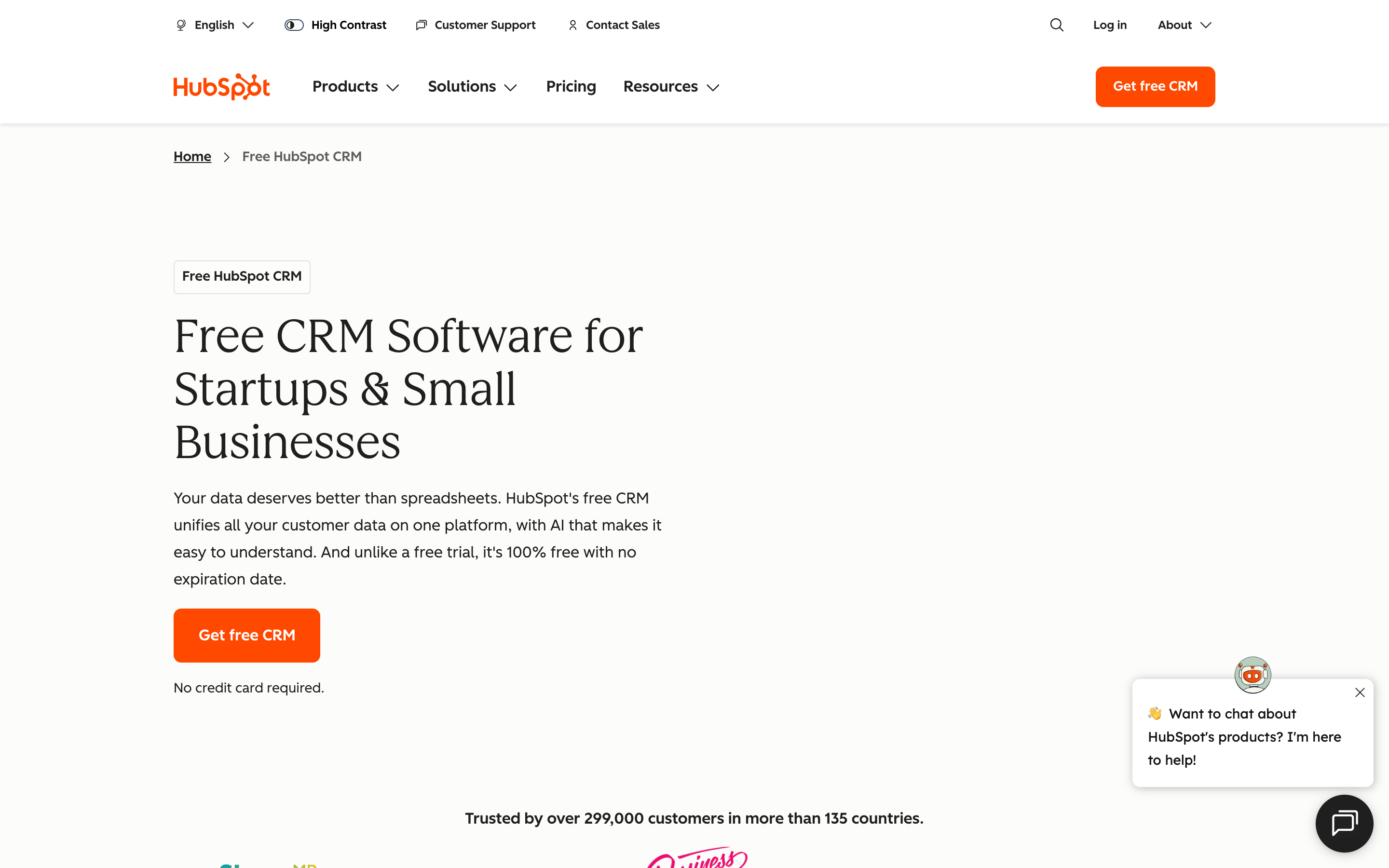
- Pricing: Free for up to 2 users per HubSpot's own page, July 2026; paid tiers per seat.
- Watch-outs: the free tier's 2-user cap catches growing firms; and a CRM tracks relationships, it does not manage the shared inbox season runs through.
3. Insightly - CRM with project delivery
Best for: firms that want pipeline and post-sale project delivery in one tool.
Insightly's distinction is that a won deal converts into a project with tasks and milestones, which suits engagement-shaped work, and its pricing has been unusually stable: the same $29, $49, and $99 per user per month it published five years ago, a rarity this guide can confirm from the vendor's own page.
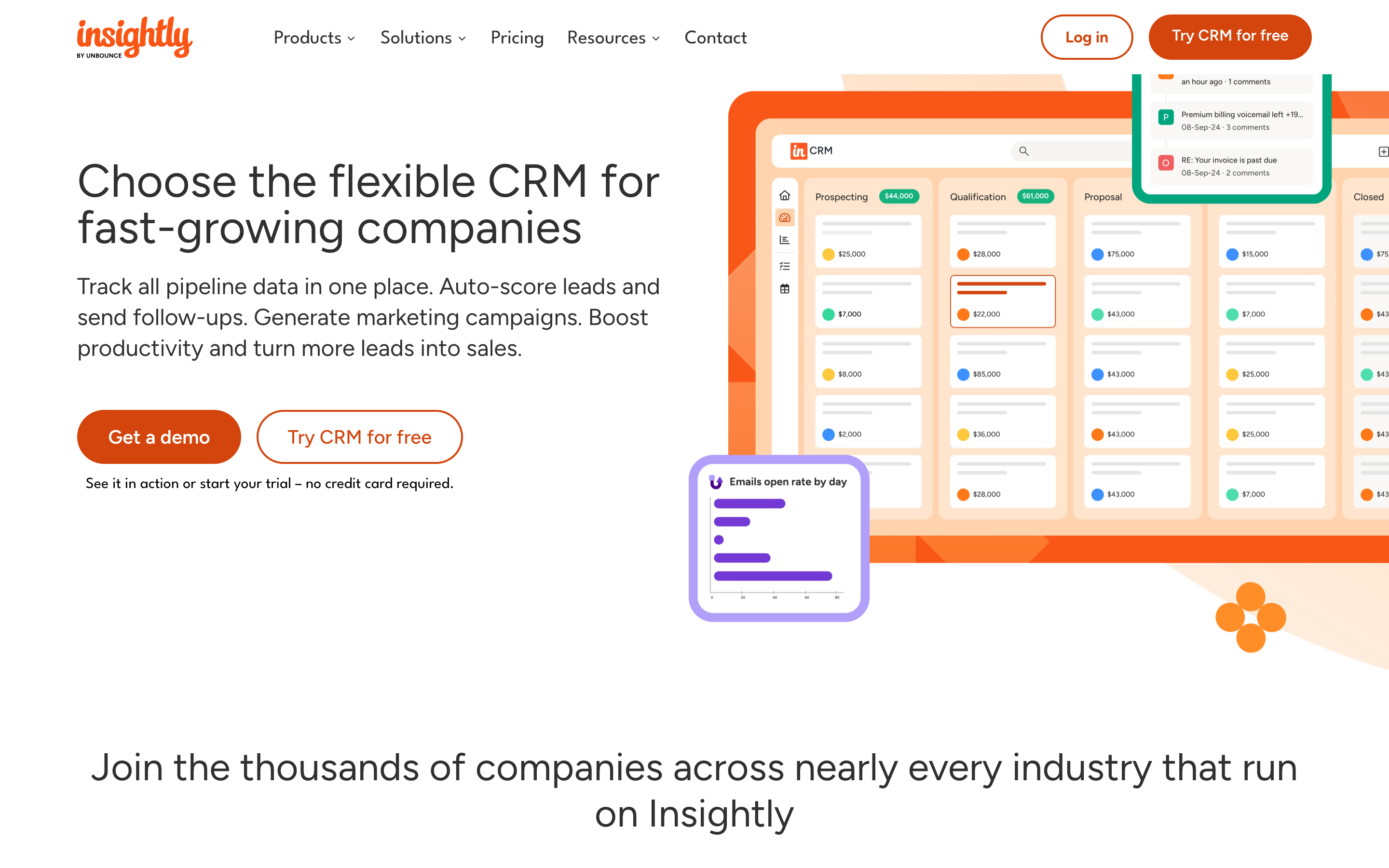
- Pricing: $29 / $49 / $99 per user per month, vendor's page, July 2026.
- Watch-outs: it is a generalist CRM with project features, not accounting practice management, so firm-specific workflow like e-signatures and organizers lives elsewhere.
Practice management and accounting software
Two honest notes complete the picture. Zoho Books, which appears on many client-management lists, is accounting software: general ledger, invoicing, VAT, with a dedicated accountants program on its own pricing page. It is good at that job, priced from £10 per organization per month in the UK (Zoho prices in local currency, so check your regional rate), and it is not a CRM, whatever the lists say.
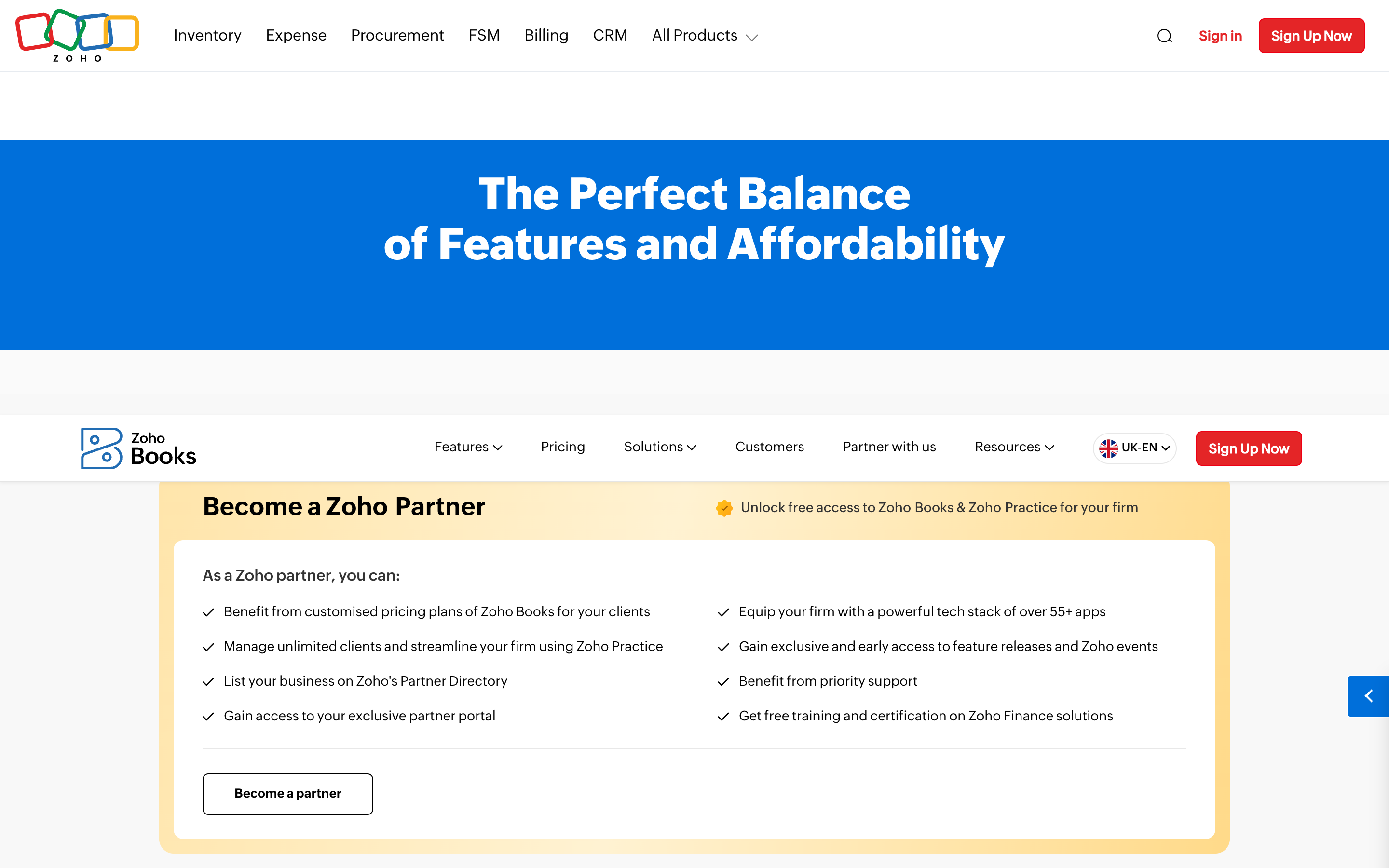
And the practice management category, Karbon, Canopy, TaxDome, Financial Cents, is where firms should look when "client management" means running the engagements themselves: workflow, document requests, e-signatures, client portals. They are not on this list as ranked entries because we have no lane there and pretending otherwise would make this page another blurred listicle; they are named because an honest guide tells you when the answer is a category it does not sell.
How to choose
Name the pain first. Deadlines and engagement workflow slipping: practice management, and start your comparison with the four named above. New-business pipeline leaking: a CRM, and HubSpot's free tier is the low-risk start while Insightly suits firms that deliver won work as projects. Shared addresses drowning in season: that is an inbox-ownership problem, and Drag fixes it inside the Gmail your firm already uses. Firms in season often discover the third problem was the one costing clients all along, because the software categories above only help with email that somebody owns.
How this guide is verified
Every price on this page was read from the vendor's own pricing page in July 2026 and is dated. One tool from earlier versions of this list, ResultsCRM, was removed deliberately: the vendor has repositioned as Results Software, publishes no pricing page, and the screenshot previous versions carried showed a 2010-era build, so nothing about it could be verified to this page's standard. Practice management vendors are named without ranking because this guide's author competes in none of their category. Corrections are recorded rather than silently overwritten.
Client management software FAQs
What software do accountants use to manage clients?
Three categories, usually in combination: practice management like Karbon, Canopy, TaxDome, or Financial Cents for engagements and workflow, a CRM for new-business pipeline, and a shared inbox tool for the firm-wide addresses clients actually write to. The mistake is buying one category expecting it to do the other two jobs.
What is the best CRM for accounting firms?
For most small firms, HubSpot's free tier is the sensible start, now capped at 2 users on HubSpot's own page, with Insightly the step up when won clients become delivery projects. Firms wanting accounting-specific workflow should compare practice management tools instead, which are a different category.
Is Zoho Books a CRM?
No, and lists that file it as one are miscategorizing it: Zoho Books is accounting software, ledger, invoicing, tax, with its own accountants program. Zoho's CRM is a separate product.
How do accounting firms manage shared email like tax@ or billing@?
With a shared inbox tool rather than a shared password: each person uses their own account, every email gets an owner, and nothing waits unclaimed in season. Drag does this on Gmail from $12 per user per month, which is the category this guide's author builds in.

Co-founder
Building Drag for nearly ten years: shared inboxes, boards, and now the AI and agent layer, all on Gmail, plus HeyHelp for the personal inbox. Writes the honest versions of the comparisons.
