













These Gmail add-ons are made to increase your productivity by tackling tasks that consume your time and energy.
Key takeaways
- Gmail add-ons install from the Google Workspace Marketplace and run inside Gmail itself, on desktop and mobile, and admins can deploy them domain-wide, which is what separates them from Chrome extensions.
- Every price here comes from the vendor's own page, dated July 2026, and tools removed from this list's earlier versions are named below with the reasons.
- Serious Gmail products increasingly ship both surfaces: Drag, Dropbox, and Mixmax each publish a Workspace Marketplace add-on and a Chrome extension, so the real question is which surface your team needs, not which list a tool made.
Table of contents
Gmail add-ons install from the Google Workspace Marketplace and run inside Gmail itself, in the sidebar and compose window, no browser requirement. That makes them a different animal from Chrome extensions, which modify Gmail in your browser, and this guide covers the Marketplace class only, with every price read from the vendor's own page in July 2026. If you want browser-side power tools instead, our email Chrome extensions guide is that list.
The Difference Between Chrome Extension For Gmail And Google Workspace Apps
Gmail add-ons and Chrome extensions are cousins that people treat as twins, and the difference is the surface, not the quality: a Workspace add-on installs from Google's own Marketplace and runs inside Gmail's sandboxed panel, on desktop and in the mobile apps, deployable domain-wide by an admin, while a Chrome extension installs into your desktop browser and can reshape the inbox itself. The two subsections below take them in turn, and the roster that follows is genuinely mixed, because most serious Gmail products now ship one of each.
Chrome extensions
Chrome extensions are available at the Chrome Web Store, a marketplace for applications. In it, you can find add-ons that do pretty much anything to your Chrome browser, Gmail and every other Google app. Among these add-ons, of course, there are several tools designed to help businesses and freelancers get more productive.
Google Workspace add-ons
The Google Workspace add-ons are available on the Google Workspace Marketplace. There, you will find apps specifically designed for businesses. It can be accessed directly from the Google Apps and most tools available here have your productivity in mind.
The add-ons at a glance
| Add-on | Surface | What it does | Price, July 2026 |
|---|---|---|---|
 Drag Drag | Add-on + extension | Shared inboxes and boards on Gmail | $12/user/mo |
 Dropbox Dropbox | Add-on + extension | Files into and out of threads | Free 2 GB; £7.99/mo Plus |
 Mixmax Mixmax | Add-on + extension | Sales engagement and email tracking | Free tier; $29/user/mo |
 Trello Trello | Add-on | Emails into cards on a board | Free tier; $5/user/mo |
 Todoist Todoist | Add-on | Emails into tasks with due dates | Free tier; $5/user/mo |
 Docusign Docusign | Add-on + extension | Send and sign agreements from a thread | £8/mo single user |
Four of these ship both surfaces, which is the point: the choice is which surface your team needs, not which list a tool made. Also on this page: what we removed and why, and the FAQ.
Why you should consider using Gmail add-ons
Gmail add-ons are tools that you can integrate or "Add on" to your Gmail. Yeah, simple as that. These tools provide various features that let you get the job done on Gmail itself, without having to jump between tabs and platforms to copy and paste requests and information. With add-ons, you can consolidate your workspace within Gmail, leveraging new automation, management, organization and collaboration features to streamline your routine. In addition to this, Gmail is a widely used platform, familiar and recognizable to almost everyone. Gmail add-ons piggyback from Google’s interface lowering the learning curve. This facilitates the onboarding process and makes it much more likely that your team will actually adopt the new tool. You might be asking specifically what can be done with Gmail add-ons. Well, you can: delay the moment an email is sent; automate email sequences to be sent to clients; track when sent messages are opened or clicked; get digital signatures on documents and much more.
Drag · with Varley
The inbox your team and Varley work in together
Shared inbox and live chat for Gmail teams, with Varley, Drag’s AI, included from $18. Plus an MCP server your own AI tools can drive.
How do Gmail add-ons Work?
Gmail add-ons are apps available online for desktop and mobile devices. They make your work experience smoother extending the functionality of Gmail. All you have to do is install the app or software, register yourself and, if necessary, select your favorite and suitable payment plan. Most apps give you the choice of monthly or annual payment and have multiple plans to choose from, according to your requirements.
What are the best Gmail add-ons?
Drag






Best for: teams that want the shared inbox on Gmail, with both install surfaces published.
Full disclosure: Drag is our product, and it is the rare tool on this page shipping both surfaces under its own name: Drag for Gmail on the Workspace Marketplace, and the Drag extension on the Chrome Web Store. The full experience, shared inboxes as boards, owners, notes, due dates, AI included from the middle plan, an MCP server on the Pro plan, lives in the extension and the standalone app; the Marketplace add-on covers managing shared inboxes like support@ or sales@ with boards, email assignment and mobile access. Which surface you start from matters less than it seems, because the boards are the same either way.
- Pricing: $12, $18 (AI included), $24 per user per month billed annually. 7-day trial, no card, no free plan.
- Rating: 4.7 from over 1,200 reviews.
- Watch-outs: the deepest interface transformation is the extension's territory, desktop-first; admin-deployable Marketplace rollout and mobile reach are the add-on's.
Want to try it on your own inbox? Start a 7-day trial of Drag, no card required.
Dropbox
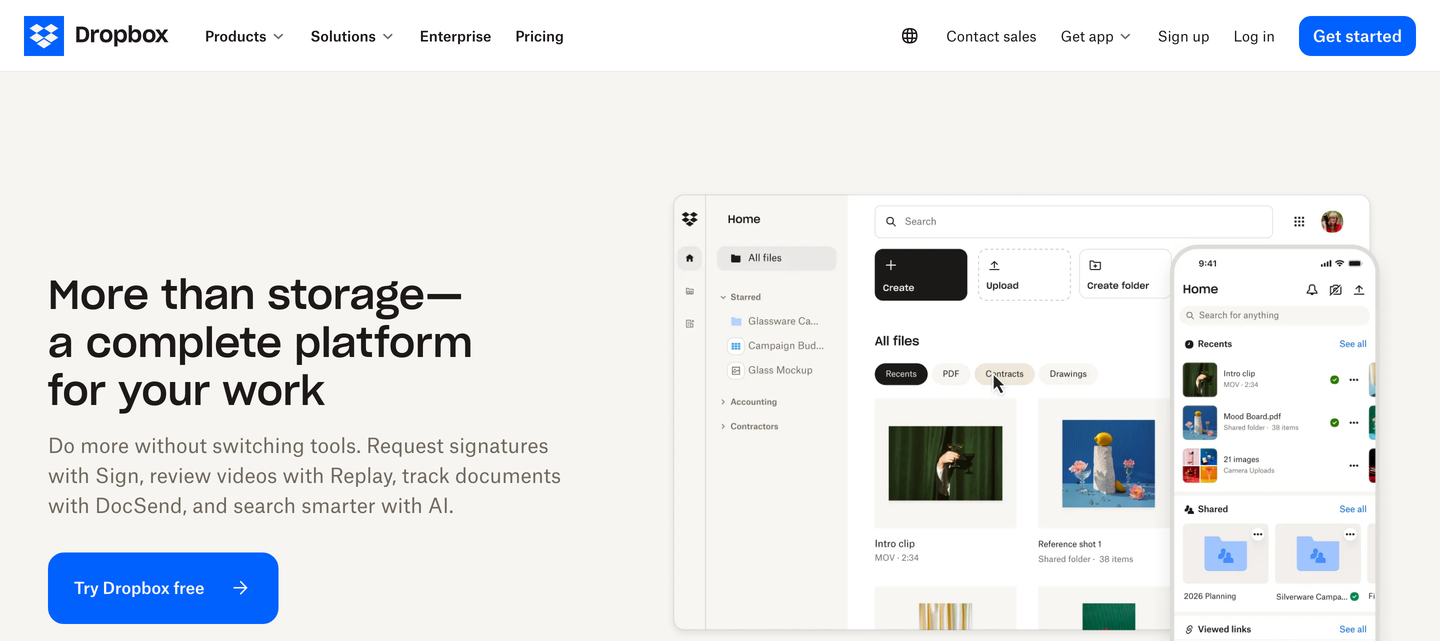
Best for: getting files into and out of Gmail without leaving the thread.
Dropbox publishes a first-party Gmail add-on on the Workspace Marketplace, four million installs deep, that lets you attach from Dropbox and save attachments back to it from inside a thread, on desktop and mobile. The storage underneath is the product: the free Basic tier carries 2 GB, and the paid plans are priced in your local currency (in the UK, Plus at £7.99 a month is a single-user 2 TB plan, and the team Standard tier runs £12 per user per month, as of July 2026).
- Pricing: Basic free (2 GB); paid plans geo-priced, UK figures above; check your regional rate.
- Watch-outs: the add-on moves files, it does not manage email; and Plus is single-user, so teams need Standard.
Mixmax
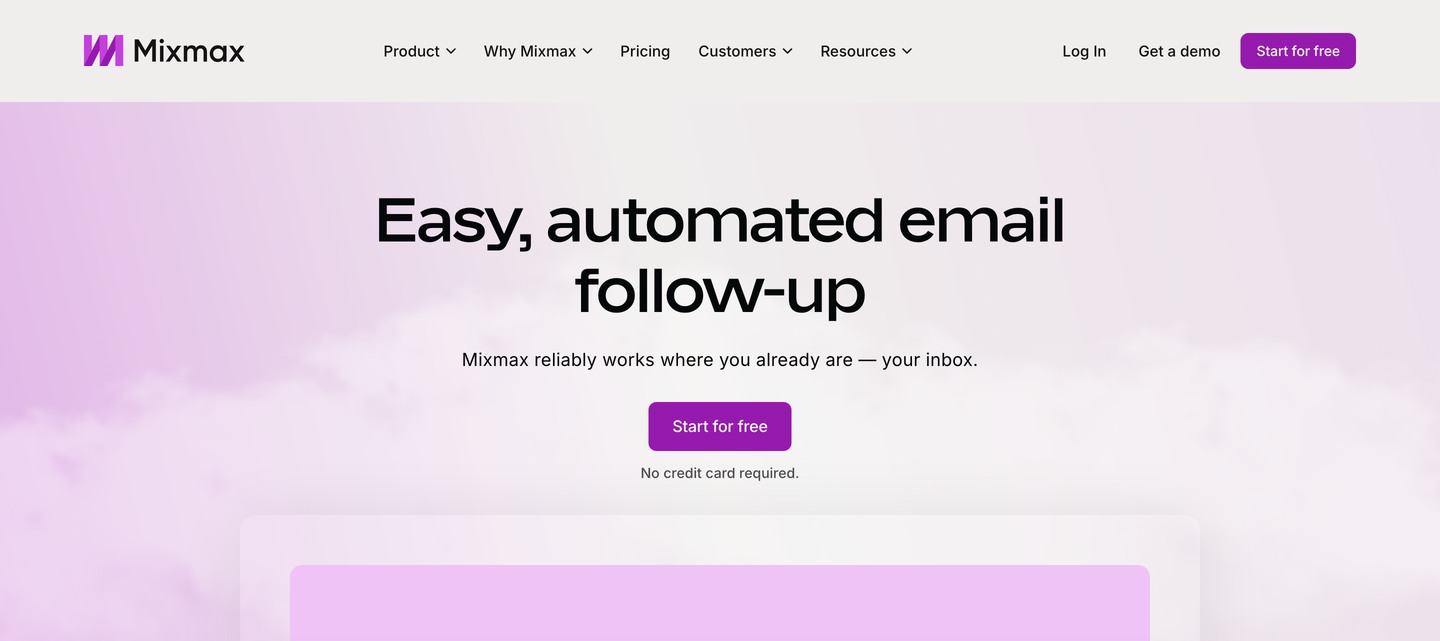
Mixmax is at the top of the sales engagement platform for Gmail and provides its users with multiple and various features. One of the features provided by Mixmax is analyzing the impact of the user’s email messages and tracking your email and knowing exactly who opens your email. It also provides a scheduler and eliminates unnecessary messages as well schedule meetings with just one click.
- Pricing: Paid plans start at $29 per user per month billed annually ($34 monthly), with a free tier covering 20 tracked emails a month, as of July 2026, and the product has restructured into Copilot-tier plans since older lists were written.
Trello
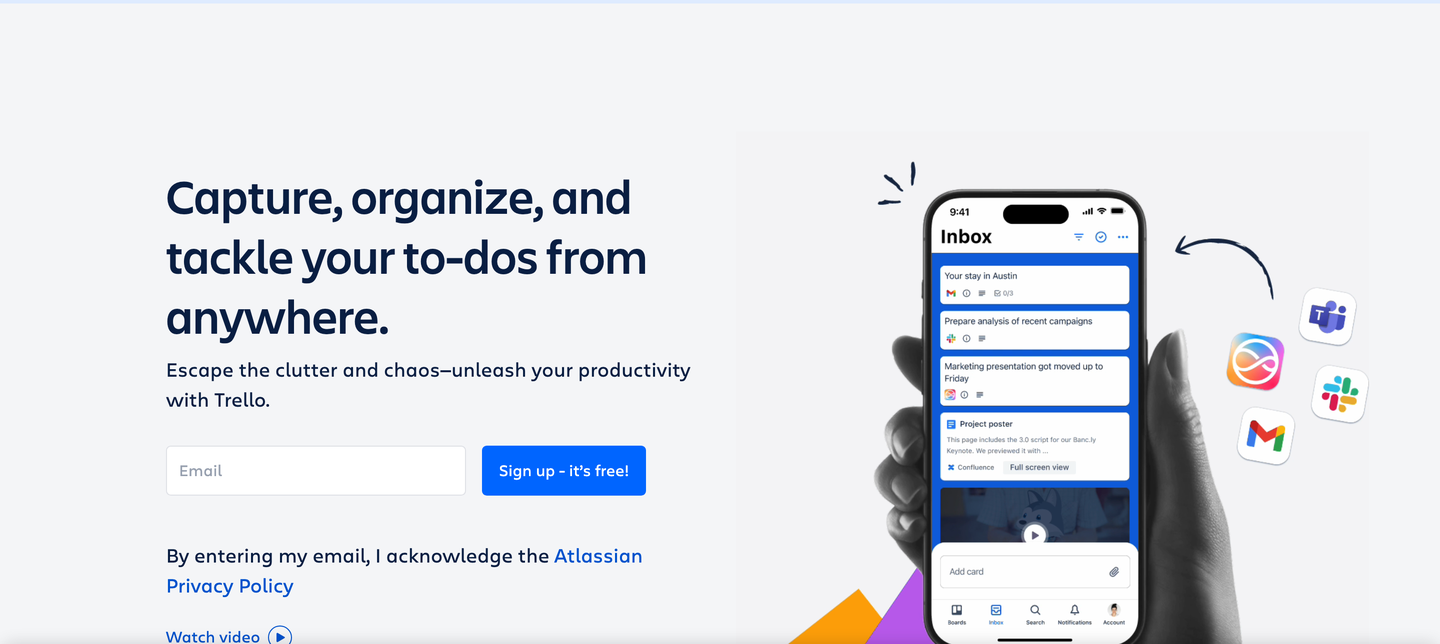
Best for: teams whose email turns into work that belongs on a board.
Trello for Google Workspace is published by Atlassian and its Marketplace listing describes the job exactly: create new cards on your Trello boards without leaving your inbox. The board itself lives in Trello rather than in Gmail, so this is a capture tool for getting email out of the inbox and into a workflow, not a way to run the inbox.
- Pricing: free for up to 10 collaborators and 10 boards per Workspace; Standard $5 per user per month billed annually ($6 monthly); Premium $10 annually ($12.50 monthly); Enterprise $17.50 annually, as of July 2026.
- Watch-outs: it moves work out of email rather than organizing the email itself, so shared addresses still need their own answer.
Todoist
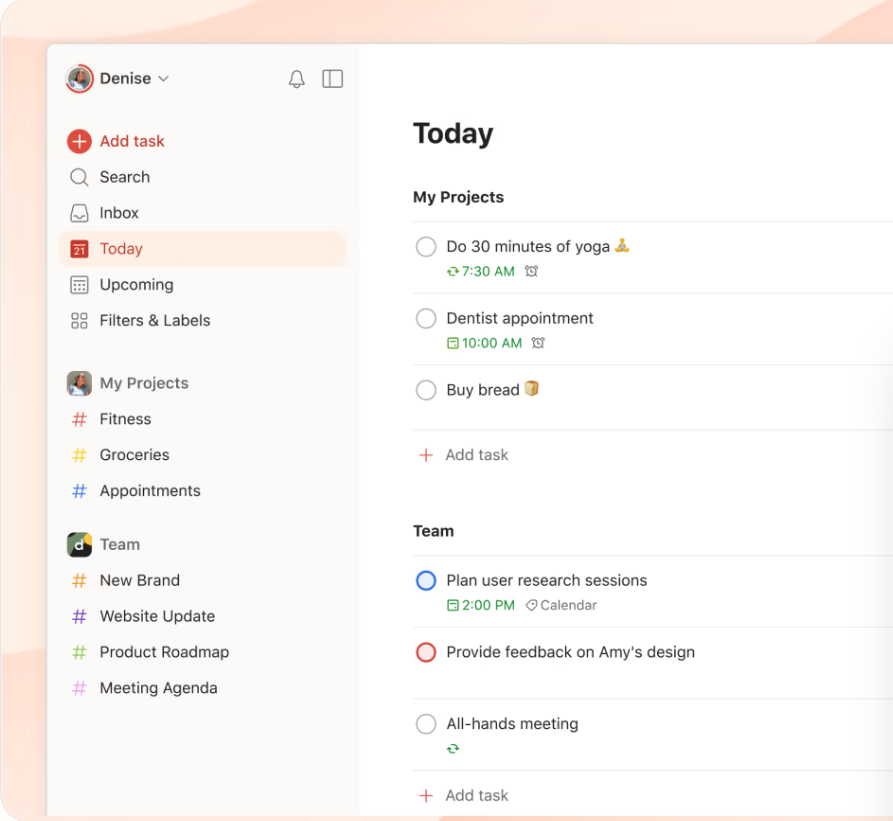
Best for: turning individual emails into tasks with due dates on a personal or small-team list.
Todoist for Gmail is published by Doist and is one of the most installed add-ons in this category, listed as a way to stay on top of email by turning messages into tasks. It runs in Gmail's side panel on desktop and follows into the Gmail mobile apps, which is the add-on surface doing what a Chrome extension cannot.
- Pricing: Beginner free, capped at 5 personal projects; Pro $5 per user per month ($60 billed yearly); Business $8 per user per month ($96 billed yearly), as of July 2026.
- Watch-outs: it is a task list rather than a shared inbox, so it tracks what you owe rather than who owns each incoming email.
Docusign
Best for: getting agreements signed without leaving the thread they arrived in.
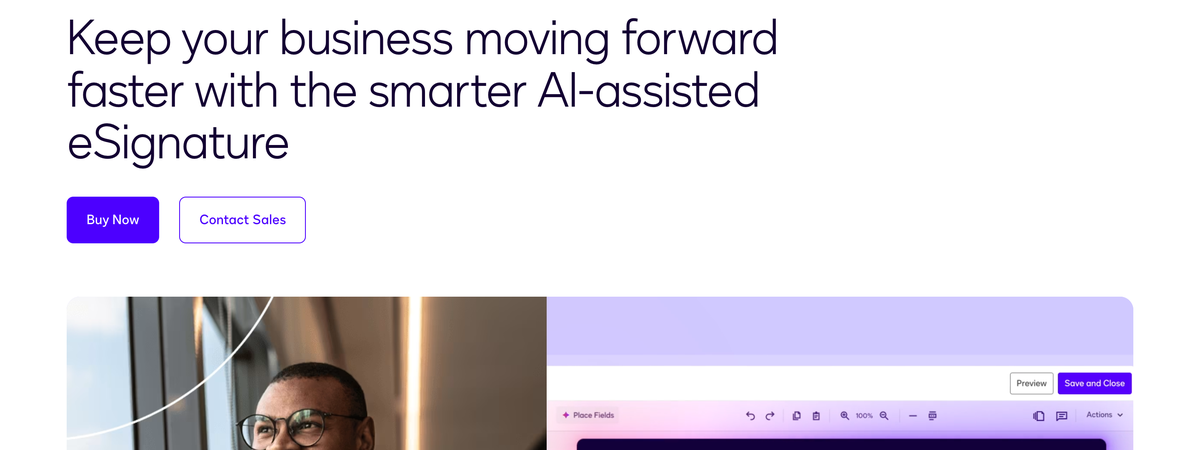
Docusign eSignature for Google Workspace is published by Docusign and does the single job its listing names: upload documents, send and sign agreements from inside Google Workspace. It also ships a Chrome extension, which is why it appears in our extensions guide as well.
- Pricing: served in the UK at £8 per month for Personal, which is a single-user plan rather than a per-user one; Standard is £20 per user per month and Business Pro £33, as of July 2026.
- Watch-outs: the entry plan is single-user, so the first time a second person needs to send documents the price more than doubles.
Are Gmail Add Ons Safe?
Reasonably, with eyes open: Google reviews Marketplace listings and their permission scopes, and the checks that remain yours are reading the permissions requested, preferring developers whose own site shows recent releases, and removing add-ons you stop using. Review is a filter, not a guarantee.
How this guide is verified
Every price on this page was read from the vendor's own pricing page in July 2026 and is dated, and every tool's class was checked against its listing on the Google Workspace Marketplace. Tools removed from earlier versions are named here with the reason: MailerCloud, an email marketing platform with no Google Workspace Marketplace listing at all; and HubSpot Sales, which publishes no first-party Gmail add-on on the Marketplace and belongs to the extension class. Tools belonging to that class were moved to the sibling guide rather than counted twice, and HubSpot Sales is now covered in our email Chrome extensions guide. Corrections are recorded rather than silently overwritten.
Four corrections from this update are worth stating plainly. This page listed Dropbox at "$9.90 per user / month", which matches no Dropbox plan and states the wrong unit, since the entry paid plan is single-user rather than per-user. The Dropbox section also described a feature as Trello's rather than Dropbox's, naming the wrong company outright. Mixmax was listed at "$12 per user / month" when its cheapest paid plan is $29 per user per month billed annually, roughly two and a half times what we published. And MailerCloud was listed at "$10 per user / month" when that plan is priced by the number of contacts stored rather than per user. All four are fixed or removed above.
Conclusion
Smooth workflow leads to boosted productivity and that is what Gmail add-ons are meant for. They are a crucial tool to minimize disturbances while simultaneously providing many additional features to ensure a streamlined workflow with zero hurdles. They are widely used by many businesses, no matter how large or small their setup is, as it directly influences their workers' efficiency and work rate. After having read the above article, you must be well aware of the top-notch google add-ons. So, what are you waiting for? Go get your favorite add-on and get working smoothly!
Gmail add-on FAQs
What is the difference between a Gmail add-on and a Chrome extension?
Add-ons install from the Google Workspace Marketplace and run inside Gmail's own sandboxed panel, on desktop and mobile, and admins can deploy them domain-wide; Chrome extensions install from the Chrome Web Store into your desktop browser and can reshape the inbox itself. The deepest workflow tools are extensions; the most deployable ones are add-ons, and many products ship both.
Are Gmail add-ons free?
Installing is free, and most add-ons front paid products: check the vendor's own pricing rather than the listing, because the Marketplace shows install counts, not costs. This page carries each tool's current price from its vendor's page, dated.
Do Gmail add-ons work on mobile?
That is their structural advantage: Workspace add-ons run in Gmail's mobile apps where Chrome extensions cannot follow, so mobile-heavy teams should prefer the add-on surface where a product offers both.
Are Gmail add-ons safe?
Reasonably, with sensible habits: Google reviews Marketplace listings and their permission scopes, and your side is reading the permissions requested, preferring actively maintained add-ons, and removing what you stop using. The safety section above has the fuller picture.

Co-founder
Co-founder at Drag, writing about Google Workspace, shared inboxes, and how teams actually run email.
