













The 8 best Tidio alternatives for 2026, compared on what actually drives the switch: conversation quotas, the Lyro add-on, the 10-seat cap, and the $749 cliff.
Key takeaways
- Tidio is a genuinely good SMB chat widget; the reasons teams leave are its billing shape: conversation quotas across three parallel meters, Lyro AI sold as an add-on on top, a 10-seat cap on self-serve plans, and a jump from $59 to $749 with nothing in between.
- The alternatives split by what you are escaping: flat per-agent pricing (LiveChat), flat workspace bundles (Crisp), free (Tawk.to, HubSpot), self-hosted (Chatwoot), upmarket AI (Intercom), ecommerce depth (Gorgias), or the queue consolidation play: chat and email in one support platform at flat seats.
- Model your busy month, not your quiet one: quota billing punishes exactly the growth you are hoping for.
- Rates verified against vendor sources in July 2026; Tidio's own figures re-checked at publication.
Table of contents
The best Tidio alternative in 2026, for teams whose support actually runs on email, is Drag: a Gmail shared inbox at $12 to $24 a seat with AI included from $18 and no conversation quotas. The chat-first shapes are covered below, because Tidio earned its market: a clean chat widget, an easy setup, a real free tier, and Lyro, one of the cheapest ways to taste working AI support. The searches for alternatives are almost never about the product; they are about the bill: conversation quotas on three parallel meters, Lyro sold separately on top, a 10-seat cap, and a cliff from $59 to $749 with no tier between. Here are the eight credible alternatives in 2026, organized by which of those you are actually escaping.
Why teams leave Tidio
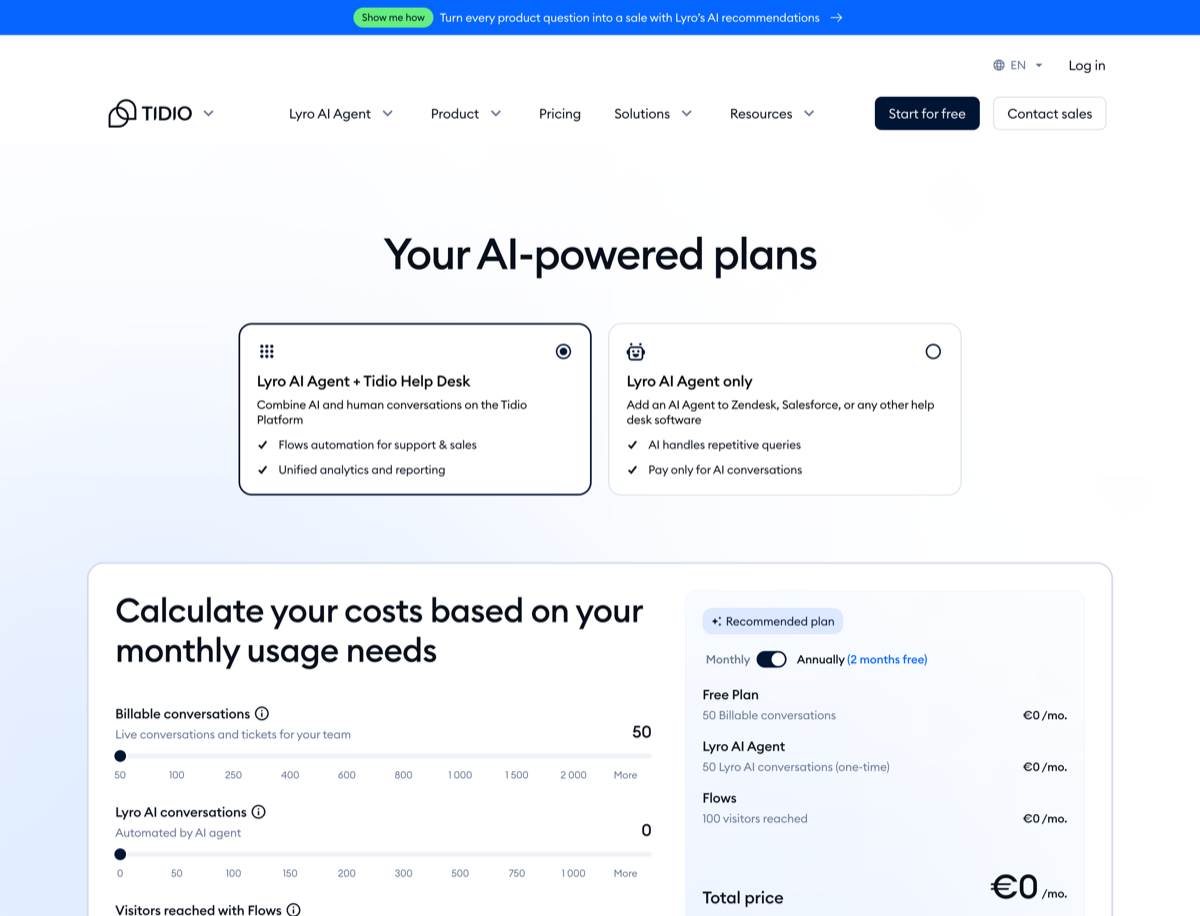
Stated fairly, because the product itself is liked. The quota shape: paid tiers meter conversations, not seats, across three parallel counters (agent conversations, Lyro conversations, and automation flows billed per reached visitor), so a good month moves the bill. The add-on shape: Lyro's AI is priced separately from roughly $39, so the AI line item grows independently. The cliff: self-serve plans cap at 10 seats and roughly 2,000 conversations, and the next step is a plan around $749 a month, a twelve-fold jump with nothing between. And the trust scar: the December 2024 repricing doubled many existing customers' bills, which is when much of this searching started. None of this is hidden; it is a shape, and these eight are the other shapes.
The 8 at a glance
| # | Tool | The shape | Real cost shape | Escapes |
|---|---|---|---|---|
| 1 | Drag | Chat in your support queue | Flat seats from $12, AI included from $18, no conversation quotas | The quotas, the add-on, and the cliff at once |
| 2 | Crisp | Flat workspace bundles | $45 / $95 / $295 flat, team-wide | Per-conversation counting |
| 3 | LiveChat | Per-agent chat platform | $19 to $79 per agent, unlimited conversations | Quota billing |
| 4 | Tawk.to | Free live chat | $0, unlimited agents | The bill entirely |
| 5 | HubSpot | Free chat + CRM | Free widget; the ladder above is the trade | Entry cost |
| 6 | Chatwoot | Open source | Self-host free; cloud from $19 | Vendor pricing power |
| 7 | Intercom | Upmarket AI platform | Seats $29 to $139 + Fin $0.99/resolution | Lyro's limits (not the meter) |
| 8 | Gorgias | Ecommerce desk | Volume-based, Shopify-deep | Generic chat for stores |
Quick Picks: The short answers: escaping the whole billing shape with chat and email in one queue: Drag (#1, our own entry, and we say which segment it wins). Nearest like-for-like with flat bundles: Crisp (#2). Predictable per-agent chat: LiveChat (#3). Free that is actually free: Tawk.to (#4). AI deeper than Lyro, on a bigger meter: Intercom (#7). And for the chat-first field beyond Tidio's shape, our live chat roundup ranks it honestly.
The 8 best Tidio alternatives, in detail
 1. Drag: chat in your support queue, no conversation quotas

The verdict: our own entry, first of its segment, and the segment named plainly: if the escape you want is from metering itself, the deepest fix is chat and email in one support queue at flat seats. Drag is live chat software in the full sense (a real widget, AI answering first, human handoff) on a full support platform (shared inbox, boards, WhatsApp, AI help center, MCP server) built on Gmail as the system of record.
What you get: the widget's conversations landing beside email from the same customer, one owner and one history; boards, assignment, collision detection; Varley (grounded drafts, tagging, summaries, answers from your docs) working identically across chat and email, included in the seat; and the MCP server, so Claude, ChatGPT, or Cursor can work the whole queue.
The cost reality: flat seats: $12 entry, AI and the channels from $18, unlimited conversations, no quota meters, no AI add-on, no seat cliff; 7-day trial, no card. The honest limit: chat-native depth (visitor tracking, proactive campaigns) is where the chat-first entries below go deeper.
Best for: SMB teams on Google Workspace whose Tidio pain is the bill's shape, and who would rather run support as one queue than two tabs. The live chat tour and pricing.
 2. Crisp
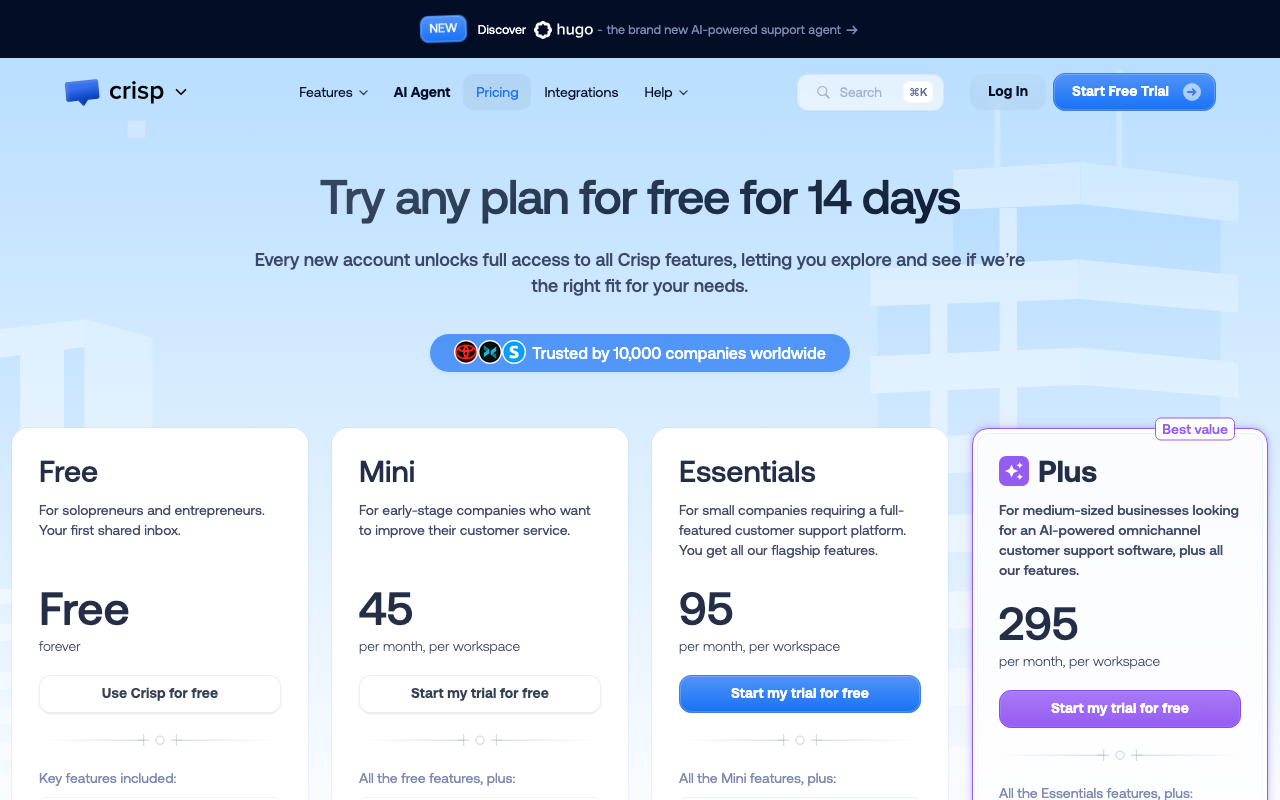
The verdict: the nearest neighbour with the opposite billing philosophy: flat workspace bundles that cover the team, counted in dollars rather than conversations.
What you get: chat, a shared inbox, campaigns, and a knowledge base in one workspace, with AI on credit bundles inside the plans.
The cost reality: $45 (Mini), $95 (Essentials), $295 (Plus) flat: expensive for one person, a bargain for eight, with two honest catches: the free plan is the widget only, and AI credits expire monthly. Our full Crisp breakdown runs the numbers both ways.
Best for: teams that like Tidio's shape but want the meter gone and the team covered flat.
 3. LiveChat
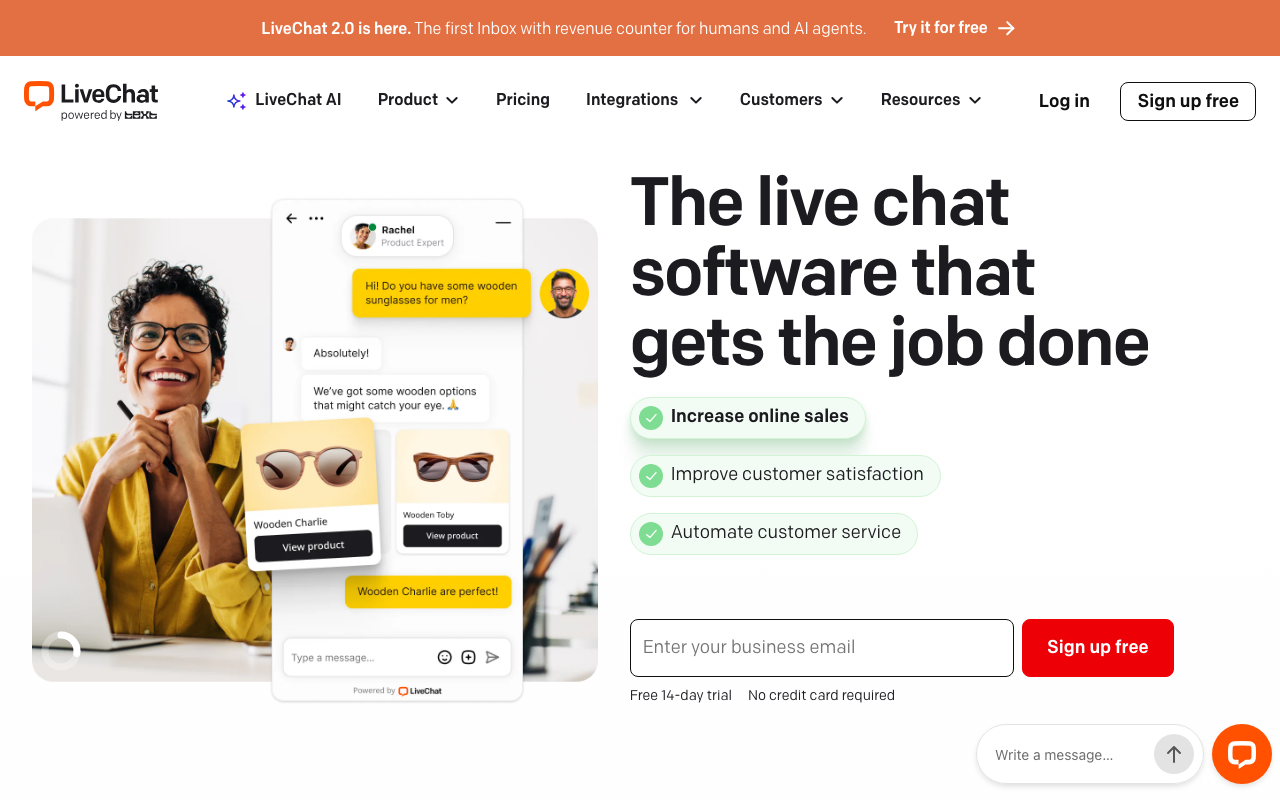
The verdict: the per-agent veteran whose whole pitch against Tidio is predictability: unlimited conversations, pay per seat, no cliff.
What you get: the category's most mature chat platform: routing by skills and availability, 200+ integrations, serious reporting.
The cost reality: $19 to $79 per agent by tier (annual), chatbot sold separately (roughly $52), no free plan. Per-agent flips Tidio's math: busy months cost nothing extra; head-count is what you pay for.
Best for: chat-led teams that want the volume risk off their bill and will pay per seat for it.
 4. Tawk.to
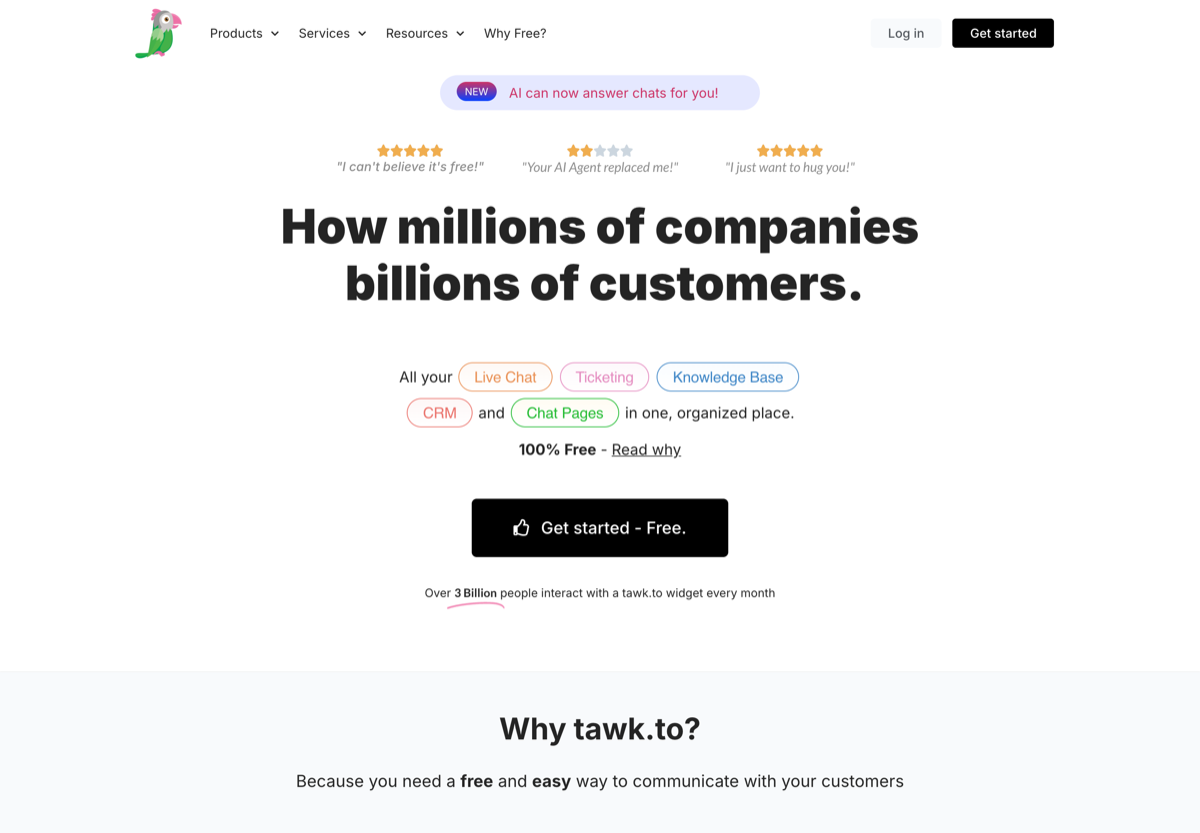
The verdict: the free answer, genuinely free: unlimited agents, unlimited conversations, monetised through optional add-ons.
What you get: a capable widget with the basics done properly, at zero.
The cost reality: $0; the trades are a dated feel, thin AI, and support that reflects the price.
Best for: the smallest teams for whom any meter, and any bill, is the objection.
 5. HubSpot
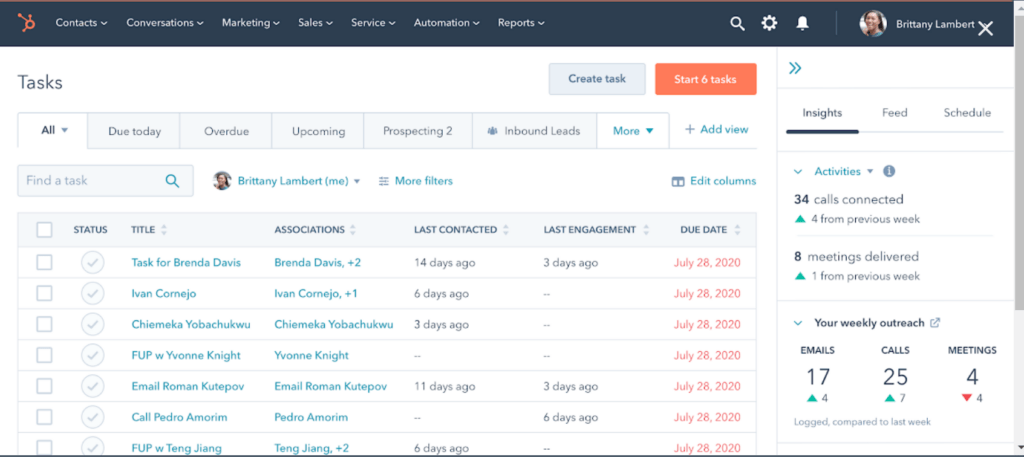
The verdict: the free chat widget attached to a free CRM, with the honest print that everything above it is a ladder.
What you get: live chat and basic bots free, conversations inside the CRM record, an ecosystem that scales if you climb.
The cost reality: the widget is free; the automation and AI you will eventually want live up tiers whose real step is Professional at roughly $90 to $100 a seat plus onboarding. Free is the door, not the house.
Best for: teams that want chat inside a CRM and know themselves well enough to predict the climb.
 6. Chatwoot
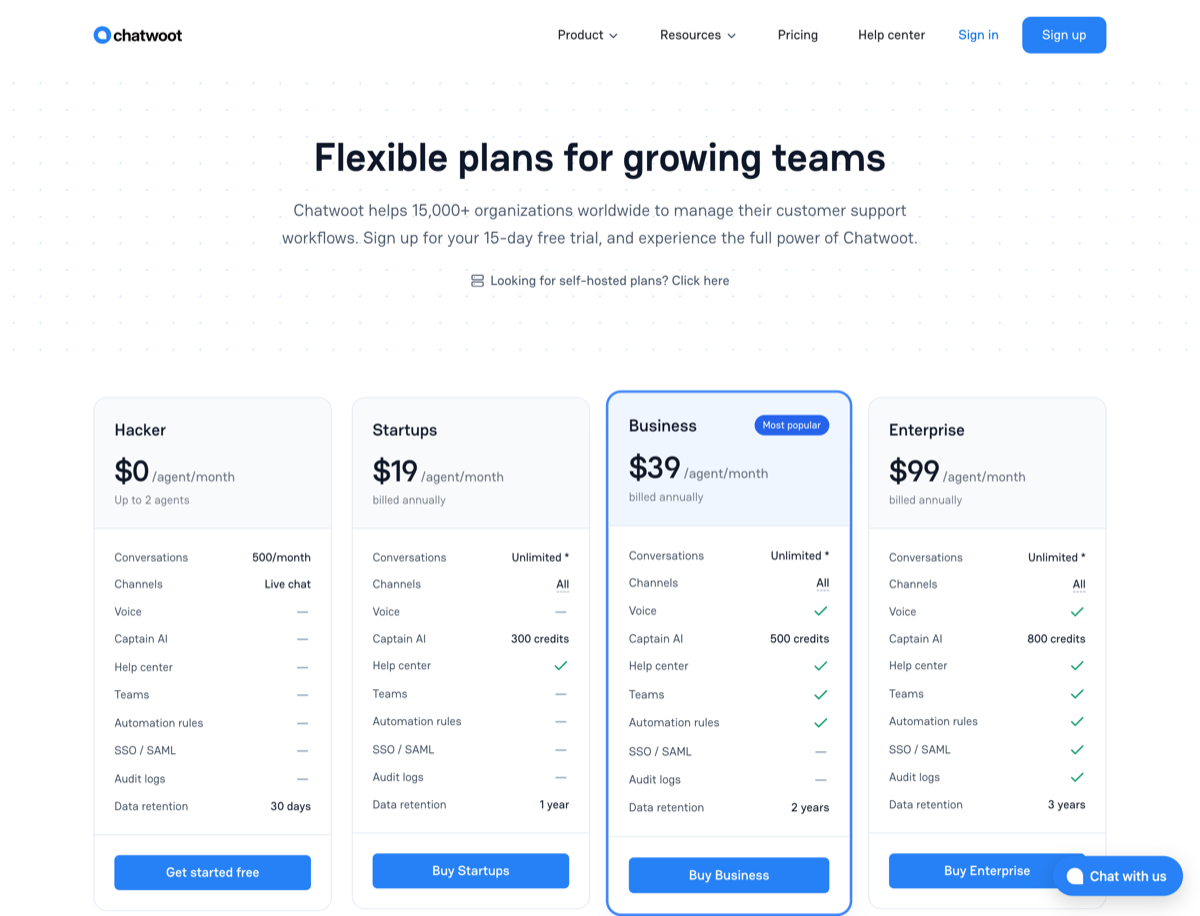
The verdict: the open-source escape from vendor pricing power entirely: self-host it and the meter question disappears at the root.
What you get: a full open-source engagement platform (chat, email, social) you own, or a hosted cloud if you change your mind.
The cost reality: self-hosted free (the recurring lesson: only cheap if the ops hours are spare); hosted from free (2 agents) to $19 to $39 a seat.
Best for: technical teams that would rather run infrastructure than read pricing pages.
 7. Intercom
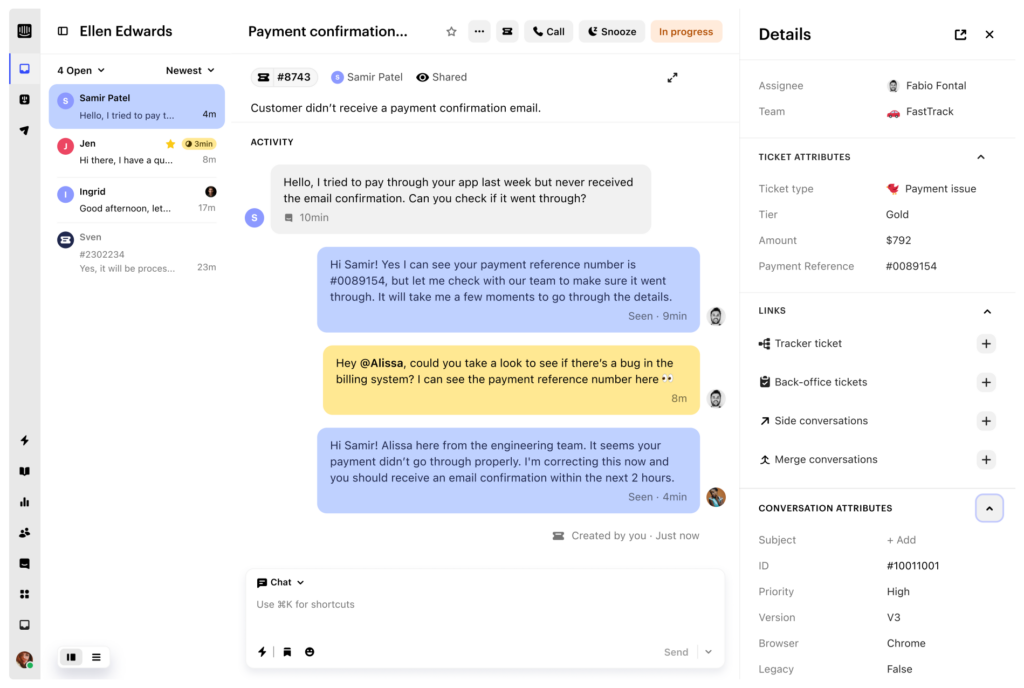
The verdict: the upmarket move: if Lyro's ceiling is the problem rather than its meter, Fin is the deeper AI, on the market's reference meter.
What you get: the most deployed per-resolution agent (Fin), a premium messenger, and product-led tooling Tidio does not attempt.
The cost reality: seats $29 to $139 plus Fin at $0.99 per resolution (50 monthly minimum): you leave Tidio's quotas for a success-priced meter, a trade you should make knowingly. Our full Intercom breakdown.
Best for: teams outgrowing Lyro's answers, not escaping metering.
 8. Gorgias
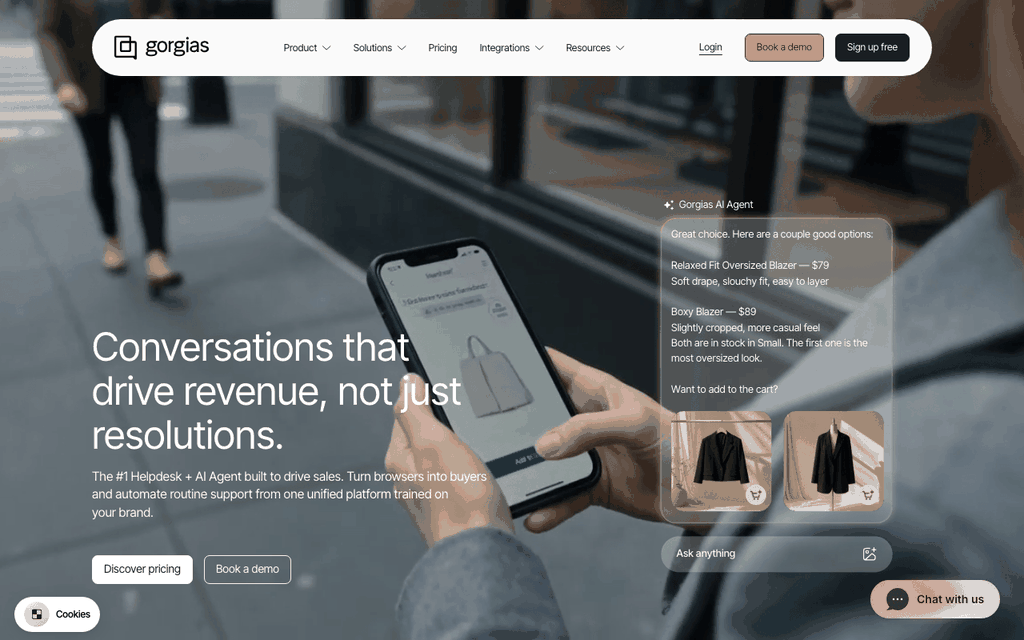
The verdict: the ecommerce specialist: if your Tidio sits on a Shopify store, Gorgias speaks orders, refunds, and where-is-my-package natively.
What you get: an ecommerce desk with AI acting inside it (order lookups, refunds), Shopify-deep integrations.
The cost reality: volume-based tiers with per-resolution AI around $0.90 (rate not published); the desk underneath is the product. Our Gorgias comparison.
Best for: stores whose support is order-shaped.
Drag · with Varley
The inbox your team and Varley work in together
Shared inbox and live chat for Gmail teams, with Varley, Drag’s AI, included from $18. Plus an MCP server your own AI tools can drive.
The two meters, explained once
The section to read before any choice. Tidio's bill has two independent engines: conversation quotas on the plan (roughly $29 for the smallest allowance, hard steps upward, a 10-seat cap, then the $749 tier) and Lyro's add-on on top (from about $39, with its own conversation counting; the free tier's taste is 50 AI conversations once, lifetime, not monthly). Escaping to LiveChat swaps both for per-seat. Escaping to Crisp swaps both for flat bundles with expiring AI credits. Escaping to Intercom swaps the quota for a per-success meter. Escaping to Drag deletes both: seats flat, AI included, conversations uncounted. There is no universally right shape; there is the shape your growth curve punishes least, and the pricing report's live comparator lets you test yours. And the full Tidio comparison runs this head-to-head, meter by meter.
Frequently asked questions
What is the best Tidio alternative?
By escape route: the whole billing shape at once: Drag (chat and email in one queue, flat seats, AI included). Like-for-like with flat bundles: Crisp. Per-agent predictability: LiveChat. Free: Tawk.to. Deeper AI: Intercom.
Why is Tidio suddenly expensive?
Three meters compound: conversation quotas on the plan, Lyro's AI add-on on top, and automation flows billed per reached visitor. Busy months move all three, self-serve plans cap at 10 seats, and the tier above $59 is roughly $749. Many teams also date it to the December 2024 repricing, which doubled existing bills.
Is Tidio's free plan really free?
Yes, genuinely useful: around 50 agent conversations a month, with a one-time lifetime taste of 50 Lyro AI conversations. The free tier is the product's best argument; the paid shape above it is why this page exists.
How much is Lyro AI?
An add-on from roughly $39 a month with its own conversation allowances, on top of the plan price. It is one of the cheapest entries into working AI support; it is also a second meter.
What is the cheapest Tidio alternative?
Free: Tawk.to (unlimited agents) or HubSpot's widget. Cheapest structural fix: flat models: Crisp's bundles or Drag's seats ($12 to $24, AI included from $18), where conversations stop being a billing unit at all.
Does Tidio have a seat limit?
Self-serve plans cap at 10 users; beyond that is the roughly $749 tier. Per-agent platforms (LiveChat) and flat-seat platforms (Drag) have no equivalent cliff.
Can I get Tidio's chat and my email in one place?
That is the queue consolidation play, and it is Drag's segment: the widget's conversations land beside email from the same customer, one owner, one history, one flat bill. The full Tidio comparison.
Are these figures current?
Verified against vendor pricing pages in July 2026, with Tidio's own figures re-checked at publication; the full market context lives in our State of AI Support Pricing report, re-verified quarterly.

Co-founder
Building Drag for nearly ten years: shared inboxes, boards, and now the AI and agent layer, all on Gmail, plus HeyHelp for the personal inbox. Writes the honest versions of the comparisons.


